Lisbon Travel Guide: Top Things to Do, Historic Quarters, and Insider Local Secrets
Discover Lisbon like a local! Our ultimate Lisbon travel guide covers historic Alfama, iconic viewpoints, pasteis de nata, day trips to Sintra, and must-take walking tours.
DISCOVER WITH US
1. Welcome to Lisbon: The City of Seven Hills

Bathed in golden Atlantic light that bounces off pastel-painted facades and intricately patterned calçada portuguesa (limestone pavements), Lisbon is one of Europe’s most captivating capitals. Perched dramatically along the Tagus River estuary across rolling hills, the Portuguese capital effortlessly blends an illustrious Age of Discovery legacy with a vibrant, modern creative energy. Whether you are climbing the labyrinthine alleys of the Moorish quarter or sipping chilled Vinho Verde in an open-air square, Lisbon seduces every type of traveler.
Yet, Lisbon's steep hills, multifaceted neighborhoods, and rapidly evolving tourism scene mean that having an intentional game plan makes the difference between an overwhelming weekend and an unforgettable adventure. To truly understand its soul, you must look past the postcard-perfect yellow trams and discover how historical earthquakes, seafaring pioneers, melancholic fado folk songs, and resilient working-class communities shaped this sun-drenched sanctuary.
In this comprehensive Lisbon travel guide, we break down the must-visit quarters, culinary traditions, hidden panoramic vistas, and practical transportation tricks to help you explore Lisbon with ease and authenticity.
2. Getting Your Bearings: Lisbon’s Most Iconic Neighborhoods
Lisbon is fundamentally a city of distinct villages, each boasting its own distinct personality, architectural rhythm, and community pulse.
Alfama: The Soulful Moorish Heart
Alfama is Lisbon’s oldest district, and miraculously, the only major quarter to survive the catastrophic 1755 earthquake largely intact. Built on a solid bedrock hill below São Jorge Castle, its layout remains an organic Moorish maze of narrow cobblestone lanes, tiny stairways (becos), drying laundry strung between iron balconies, and sleepy village squares. At dusk, the melancholic notes of Fado drift from authentic family-run taverns (tascas).
Baixa & Rossio: Neoclassical Grandeur
When the 1755 earthquake flattened downtown Lisbon, the Marquês de Pombal rebuilt the area using a pioneering grid system and seismic-resistant timber framing known as gaiola pombalina. Today, Baixa is Lisbon’s grand civic heart, connecting the bustling Rossio Square with the monumental waterside plaza of Praça do Comércio. Stroll down the pedestrianized Rua Augusta to admire neoclassical archways, historic tailor shops, and traditional cafés.
Bairro Alto & Chiado: Culture, Bohemian Roots & Nightlife
Adjacent to Baixa sits Chiado, the elegant, historic literary haven filled with heritage bookshops (including Bertrand, the world's oldest operating bookstore), theatres, and boutiques. Just uphill lies Bairro Alto: quiet and sleepy by day, but a vibrant nightlife hub by night where travelers and locals spill into cobblestone streets with craft cocktails and Portuguese beers in hand.
Explore Like a Local:Navigating the intertwining histories and steep gradients between Baixa, Chiado, and Alfama can be daunting on your own. Joining a guided The Walking Parrot Lisbon Essential Walking Tour is one of the best ways to uncover forgotten stories, decode the Pombaline architecture, and hear the legends behind Lisbon’s historic alleys with an expert local guide.
3. Top Things to Do & Must-See Landmarks
Whether it is your first time in Lisbon or your fifth, several cultural landmarks remain non-negotiable fixtures on your itinerary.

St. George's Castle (Castelo de São Jorge)
Crowning Lisbon’s tallest central hill, this Moorish stronghold dates back to the 11th century. Walk the fortified stone battlements for 360-degree vistas over the Tagus River and the 25 de Abril suspension bridge. Be sure to arrive either right at opening or two hours before sunset to escape peak midday queues.
The Monuments of Belém: Jerónimos Monastery & Belém Tower
Located 6 km west along the river, Belém celebrates Portugal's Golden Age of Maritime Exploration.
Jerónimos Monastery (Mosteiro dos Jerónimos): A UNESCO World Heritage site and a masterwork of Manueline architecture, featuring intricate maritime carvings of rope, coral, and celestial globes sculpted into stone.
Belém Tower (Torre de Belém): A fortified 16th-century tower once guarding the river mouth, standing as a symbol of ships departing into uncharted oceans.
Padrão dos Descobrimentos: The striking Monument to the Discoveries honoring icons such as Prince Henry the Navigator and Vasco da Gama.
Ride the Historic Tram 28 (Strategically)
The world-famous yellow Remodelado tram rattles, squeaks, and climbs through the steepest corners of Graca, Alfama, and Estrela. While it offers a romantic ride, it is also notorious for heavy lines and pickpockets. Take it very early in the morning (before 8:30 AM) from Martim Moniz or later in the evening to truly enjoy the vintage wooden carriage.
4. Miradouros: The Most Breathtaking Viewpoints in Lisbon
Thanks to its seven sprawling hills, Lisbon is blessed with dozens of miradouros (viewpoints). These terraces double as communal gathering spots where buskers play acoustic melodies and locals pause for an espresso or cold beer.

Miradouro de Santa Luzia & Miradouro das Portas do Sol (Alfama): Famous for bougainvillea-covered pergolas, hand-painted blue azulejo tile panels, and uninterrupted vistas of whitewashed churches descending down to the sparkling river.
Miradouro da Senhora do Monte (Graça): The highest natural viewpoint in the historic city center. It offers panoramic vistas extending from the castle walls across downtown to the bridge and Christ the King statue (Cristo Rei). This is the premier sunset spot in Lisbon.
Miradouro de Santa Catarina (Bica/Adamastor): A youthful, artsy hub overlooking the river port where musicians gather every sunny evening.
5. Lisbon Food & Drink Culture: From Tascas to Pastéis de Nata
Food is central to Portuguese life. If you loved exploring northern delicacies in our comprehensive Best Food in Aveiro & Coastal Portugal Guide, you will find Lisbon’s gastronomic identity just as rich, combining deep sea traditions with regional meats, rustic stews, and convent pastries.

1. Bacalhau à Brás
Portugal is said to have 365 ways to cook salt cod (bacalhau)—one for each day of the year. Lisbon's crowning signature is Bacalhau à Brás: shredded cod sautéed with thinly sliced onions, crispy matchstick potatoes, scrambled eggs, black olives, and fresh parsley.
2. Sardinhas Assadas (Grilled Sardines)
During the sunny summer months—culminating in June's electric Santos Populares festivals—the smell of fresh Atlantic sardines grilling over open charcoal wafts through every alley of Alfama and Madragoa. Enjoy them placed rustic-style on top of a thick slice of sourdough cornbread (broa).
3. Bifana
The ultimate Portuguese street-food sandwich. Thinly sliced pork cutlets simmered slowly in a garlicky white wine, bay leaf, and lard sauce, packed into a crusty bread roll and doused with yellow mustard or spicy piri-piri oil. Pair it with a cold draft beer (imperial) at any historic snack bar.
4. Pastéis de Nata & Pastéis de Belém
No trip to Lisbon is complete without tasting the iconic egg custard tart in crisp, flaky, blistered puff pastry. While the secret 1837 monastic recipe is guarded at the world-famous Pastéis de Belém, artisanal bakeries across central Lisbon like Manteigaria and Fábrica da Nata turn out equally incredible warm batches sprinkled with cinnamon and powdered sugar.
Foodie Tip:Want to skip commercial tourist menus and eat where generational chefs cook grandma-style recipes? Hop on The Walking Parrot Alfama Fado & Food Tasting Tour, where you'll sample local petiscos, sip artisanal Ginjinha (sour cherry liqueur), and taste boutique Portuguese wines inside traditional neighborhood tascas.
6. Local Insights & Insider Tips to Avoid Tourist Traps
To experience Lisbon smoothly and respect local life, keep these practical insider tips in mind:
Beware the Bread and Olives Setup: When waiters place olives, bread, butter, and cheese on your table at a restaurant, remember they are not complimentary! If you eat them, you will be billed a couple of euros; if you don't touch them, simply decline politely and they will take them off your final check.
Order Coffee Like a Local: Forget fancy Italian terms. In Lisbon, an espresso is simply called a "Bica" or um café. If you prefer an espresso with a splash of milk, ask for a pingado; if you want a latte-style coffee served in a glass, ask for a galão.
Wear Proper Walking Footwear: The gleaming limestone cobblestones (calçada) are visually stunning, but they can be notoriously slippery—especially when polished by centuries of pedestrian foot traffic or after a light rain. Leave high heels at home and pack comfortable sneakers or shoes with solid rubber traction.
Navigating Metro & Trams: Skip single paper tickets bought on board. Pick up a reloadable Navegante card at any metro station and use the "Zapping" feature, which discounts each ride across buses, historic trams, the Santa Justa Lift, and the urban rail network.
Respect Local Alfama Residents: As Alfama has grown popular, remember that everyday local families and elderly residents live behind those picturesque shutters. Keep noise levels respectful at night, do not block residential doorways for photos, and support small family-owned grocery stores and tascas.
7. Day Trips from Lisbon: Sintra, Cascais & Beyond
Lisbon serves as the perfect springboard for discovering the diverse landscapes of central Portugal. If your itinerary allows, budget at least two extra days for these day excursions:
Destination | Travel Time (Train) | Key Highlights | Best Suited For |
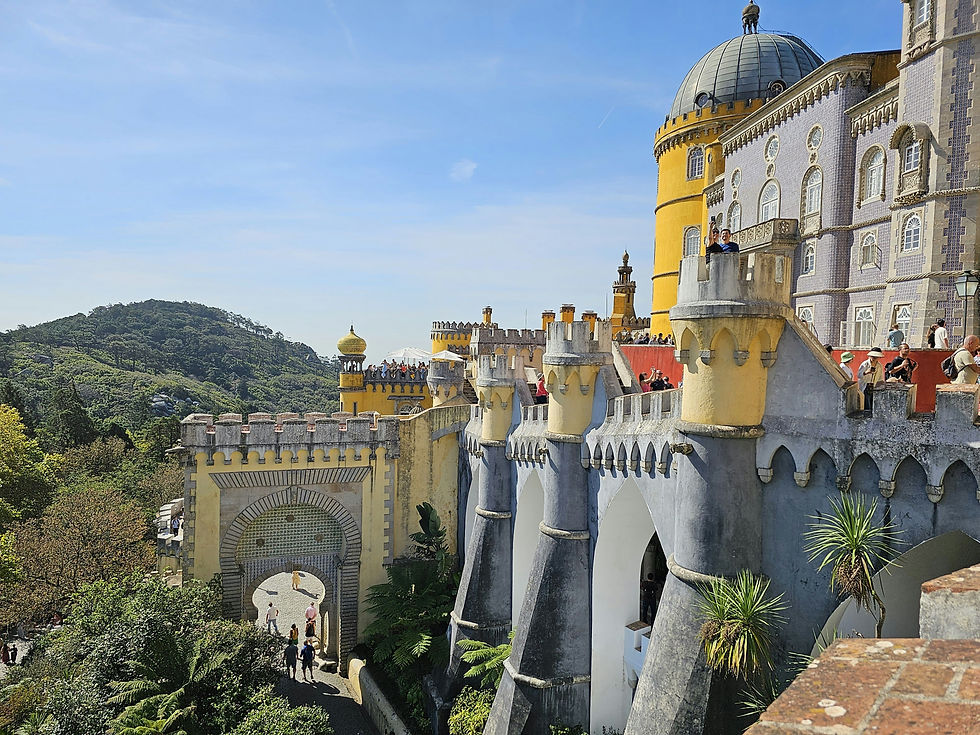
Sintra | ~40 mins from Rossio Station | Pena Palace, Quinta da Regaleira, Moorish Castle | Fairytale architecture, mystical forests, history buffs |
Cascais | ~35 mins from Cais do Sodré | Sandy beaches, Boca do Inferno, coastal biking | Seaside relaxation, seafood dining, coastal vibes |
Óbidos | ~1 hr 10 mins (Bus) | Medieval walled village, Ginjinha in chocolate cups | Charming historic villages, romantic day-trips |
(Planning an extended Portuguese route? Pair your Lisbon adventure with our guide to northern Portugal on the Porto City Walking & Heritage Trail to compare the Tagus estuary with the dramatic Douro valley.)
8. Frequently Asked Questions (FAQ)
How many days are ideal to visit Lisbon?
We recommend a minimum of 3 full days to explore Lisbon’s primary historic quarters (Alfama, Baixa, Chiado, Bairro Alto, and Belém) without rushing. If you plan to take day trips to Sintra and Cascais, a 4 to 5-day itinerary is ideal.
What is the best time of year to visit Lisbon?
The shoulder seasons of spring (April to June) and autumn (September to October) offer the sweet spot: warm, sunny weather, vibrant outdoor patio culture, and manageable crowds compared to the scorching July and August heat.
Is Lisbon a walkable city?
Yes and no! Lisbon is exceptionally compact, making walking the most rewarding way to experience the city's charm. However, its steep inclines and endless stairs require moderate physical fitness. Plan your days by grouping hilltop attractions together, and use trams, funiculars, or metro lines when ascending from Baixa to Bairro Alto or Graça.
Can I pay by card in Lisbon, or do I need cash?
Most modern restaurants, hotels, and supermarkets accept international Visa and Mastercard contactless cards. However, smaller traditional tascas, street pastry kiosks, tram conductors, and flea market stalls (such as Feira da Ladra) often require cash or Portuguese Multibanco cards. Keep €20–€30 in small banknotes on hand.
Is Lisbon safe for solo travelers?
Lisbon consistently ranks among the safest capital cities in Europe. Violent crime is rare; however, travelers should be vigilant against opportunistic pickpockets in crowded tourist zones, particularly inside Tram 28, around Rossio Square, and at the Santa Justa Lift queues.
9. Plan Your Journey with The Walking Parrot
From the timeless melancholy of Alfama’s fado-filled taverns to the sunlit horizons atop Senhora do Monte, Lisbon is a city that lingers in your memory long after your flight takes off. While maps and blogs can show you where to point your camera, the soul of Portugal's capital is woven into the personal stories, maritime folklore, and hidden corner taverns that only passionate locals know how to share.
Don’t just sightsee—experience Lisbon with real depth. Book your spot on The Walking Parrot Lisbon Walking Tours today, lace up your walking shoes, and let our expert storytellers introduce you to the authentic heart of the City of Seven Hills!


Very helpful article! The information presented here is clear, relevant, and easy to follow. I like how you have covered the important aspects of the topic without making the explanation unnecessarily difficult. Posts like this are useful because they give readers a better understanding while also providing practical ideas that can be applied in real situations. led red light therapy panel