Best Food in Aveiro: 12 Traditional Dishes and Local Specialties You Must Try
Aveiro may first catch your attention with its colourful moliceiro boats and canals, but spend a little more time here and another side of the city begins to stand out: its food.
Sitting between the Atlantic Ocean and the Ria de Aveiro, the city has a food culture shaped by water. Fish, shellfish and eels have long played an important part in local cooking, while the surrounding countryside adds meat, wine and simple traditional recipes to the table. Then, of course, there are the sweets. Ovos moles alone have become almost as recognisable as the city’s boats.
The interesting thing about eating in Aveiro is that you do not need an elaborate fine-dining meal to understand the region. A bowl of fish stew, a plate of mussels or something sweet from a local pastelaria can tell you just as much.
If you are wondering what to eat in Aveiro, this guide introduces 12 traditional dishes and local specialties worth looking for, together with a few practical tips for enjoying the city’s food like a local. Aveiro’s official tourism information similarly highlights seafood, fresh fish, eel dishes and ovos moles as characteristic flavours of the region.

DISCOVER WITH US:
What Food Is Aveiro Famous For?
Aveiro’s cooking makes much more sense when you look at a map.
The city sits beside the Ria de Aveiro, a lagoon system connected with the Atlantic. Fishing, salt production and life around the water have shaped the region for generations. That relationship is still visible on restaurant menus today.
Eels are among the most traditional examples. They appear in hearty caldeirada stews as well as in escabeche. Fresh coastal fish, mussels, oysters and other seafood are equally important. The Municipality of Aveiro’s current gastronomy guide groups some of the city’s characteristic flavours around bacalhau, shellfish, oysters, eels, coastal fish, Marinhoa beef, algae and ovos moles.
But Aveiro is not only about seafood. Local sweets are taken seriously here too. Ovos Moles de Aveiro are the obvious star, but older local food records also mention treats such as raivas, papas de carolo and other traditional desserts.
That mixture of lagoon, ocean, countryside and convent sweets is what makes eating in Aveiro different from simply ordering “Portuguese food.”
12 Traditional Foods and Local Specialties to Try in Aveiro
1. Ovos Moles de Aveiro
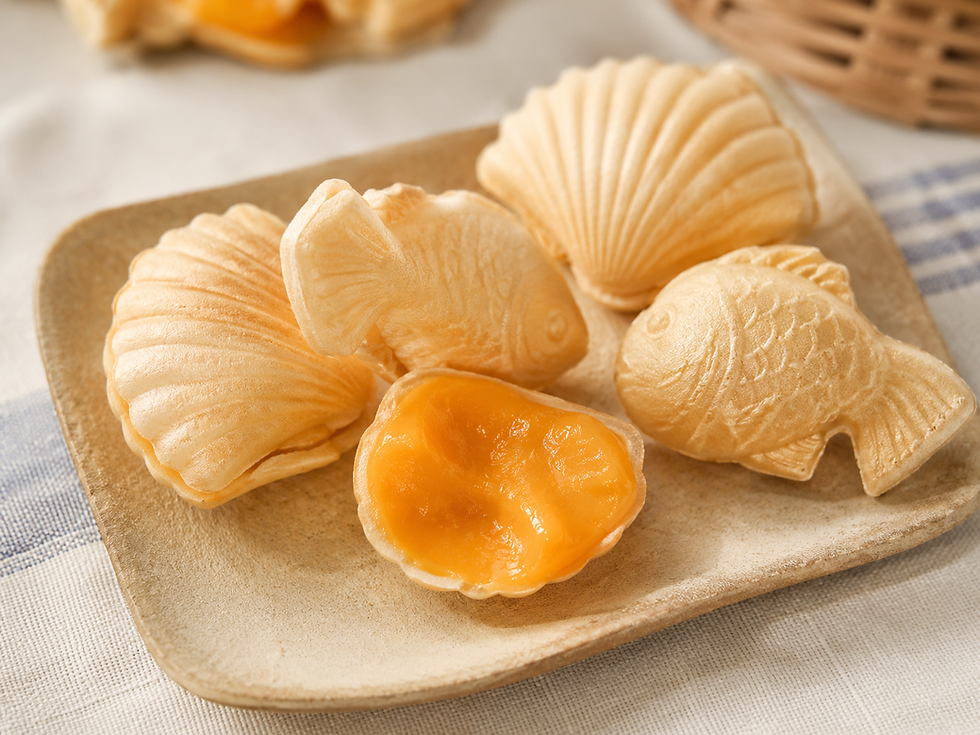
Ovos moles are Aveiro’s signature sweet, made mainly from egg yolks and sugar. The smooth golden filling is often enclosed in a thin wafer shaped like something connected to the water: a shell, fish or small barrel.
The maritime shapes are not just decorative. They make the sweet feel unmistakably connected with Aveiro and its relationship with the ria and the sea.
The recipe has roots in Aveiro’s convent tradition, and the sweet remains one of the city’s strongest culinary symbols today. The Municipality of Aveiro describes the traditional recipe as a combination of sugar, eggs and water passed down through generations.
Do not rush through your first one. Order an espresso, sit down and try an ovos mole slowly rather than treating it simply as something to tick off your sightseeing list.
If you want the full history behind this dessert, https://www.thewalkingparrot.com/post/the-sweet-story-behind-ovos-moles-aveiro-s-most-iconic-dessert
2. Tripas Doces de Aveiro
In Portuguese, tripas normally means tripe, but tripas doces de Aveiro are something completely different. This is a sweet treat associated with Aveiro and its seaside culture.
Think of something between a very thin pancake and a soft, warm wafer, usually folded around a sweet filling. Chocolate is a common choice, although other variations can be found.
They are less formal than ovos moles and are particularly good when you want something warm while walking through the city or visiting the coast. Aveiro municipal material also identifies sweet tripas among the region’s newer characteristic food products.
For visitors who already know Portuguese custard tarts and ovos moles, this is a good chance to try a less internationally famous side of Portuguese sweets.

3. Raivas de Aveiro
Raivas are traditional biscuits associated with Aveiro and are a good counterpoint to the creamy sweetness of ovos moles. They are much simpler: crisp, light and well suited to coffee or tea.
These are the sort of sweets that are easy to overlook when surrounded by bakery windows filled with more colourful pastries, but they belong to Aveiro’s traditional repertoire and appear in the municipality’s historical record of local desserts.
If you enjoy bringing edible souvenirs home, biscuits are also considerably easier to transport than a delicate pastry filled with egg cream.
4. Caldeirada de Enguias
If ovos moles show Aveiro’s sweet side, caldeirada de enguias shows its connection with the ria.
The dish appears both in Aveiro’s historical gastronomy records and in the municipality’s current food programme.
Eel has a stronger flavour than mild white fish, so it may not be the safest option for a very cautious eater. For curious travellers, though, it is precisely the sort of regional dish worth ordering because you are unlikely to associate it so closely with many other Portuguese city breaks.
5. Enguias de Escabeche
Enguias de escabeche use a preparation based around the traditional Portuguese escabeche style. The result is very different from a steaming bowl of caldeirada and demonstrates just how established eel is in the region’s food culture.
Historical municipal material lists enguias de escabeche among Aveiro’s traditional starters.
If you are eating with several people, this is exactly the kind of specialty worth ordering for the table so everyone can try a little. Portuguese meals are often more interesting when you stop thinking in terms of one plate per person and start sharing several flavours.

6. Fritada de Peixe da Ria
One of the best rules for eating in coastal Portugal is also one of the simplest: pay attention to the fish.
Aveiro’s traditional gastronomy includes fritada de peixe da Ria, reflecting the variety of fish historically available around the lagoon.
You may not encounter exactly the same selection everywhere. That is part of the point. Instead of searching for an identical dish in every restaurant, look at what is fresh and ask what fish is being served that day.
Aveiro’s official visitor information recommends fresh fish both grilled and in caldeiradas, alongside the region’s shellfish and eel dishes.
Local tip: if a restaurant has a simple fish-of-the-day option, do not dismiss it because it sounds less exciting than an elaborate menu item. With fresh fish, olive oil and a straightforward preparation, simplicity can be exactly what you want.
7. Arroz de Peixe e Marisco
A good arroz de peixe e marisco brings fish, shellfish and a rich cooking broth together in one comforting dish. Rather than being dry, this style of seafood rice is often enjoyed for the flavour absorbed into the rice itself.
Aveiro’s contemporary gastronomy guide includes fish-and-seafood rice among dishes prepared with local coastal products.
It is a useful option for visitors who want the flavours of Aveiro’s seafood culture but are not ready to make eel their first choice.

8. Bacalhau
You cannot talk seriously about Portuguese food without eventually reaching bacalhau.
Salt cod belongs to Portuguese cuisine far beyond Aveiro, but it has a real place in the city’s food tradition too. Older Aveiro gastronomic records include preparations such as arroz de bacalhau and codfish cakes, while the city’s present-day gastronomy guide continues to highlight bacalhau as one of the area’s important products.
Bacalhau is also a good example of why Portuguese food becomes more interesting once someone explains its history. What appears to be a straightforward fish dish often carries centuries of preservation techniques, trade and family cooking behind it.

9. Mexilhões
Mussels fit naturally into Aveiro’s food story.
The municipality’s gastronomic material includes mexilhões, or mussels, in preparations ranging from vinaigrette and gratin dishes to rice and more contemporary recipes. Older food records also mention mussel skewers and mussel rice.
If you prefer shellfish to fish, this is one of the easiest ways to explore the region’s connection with the ria.
The best approach is not to overthink it. Ask what is fresh, order something for the table and eat it with good bread nearby. In Portuguese seafood meals, the sauce left at the bottom of the dish is often too good to ignore.
10. Oysters from the Ria
Aveiro’s lagoon environment also supports another treat worth looking for: oysters.
Oysters appear as one of the key products in the city’s Aveiro, Sabores com Tradição gastronomy programme, with participating kitchens using them in both simple and more inventive dishes.
If you already enjoy oysters, trying them here gives you another way to taste the landscape rather than simply look at it.
For first-time oyster eaters, keep things simple. Fresh oysters do not need to be buried beneath strong flavours. Start with a straightforward preparation and decide what you actually think of their salty, ocean-like character.

11. Carne Marinhoa
Carne Marinhoa is one of the regional products promoted in Aveiro’s official gastronomy programme. Local menus use it in preparations ranging from steaks and roasted veal to more modern dishes.
It is particularly useful to know about if someone in your group is not a seafood fan. You can still eat regionally without everyone ordering fish.
This is also a reminder that Aveiro’s food identity is not confined to the water. The countryside surrounding the city contributes its own ingredients and traditions to the local table.
12. Papas de Carolo
Finish with something many first-time visitors will not already know by name.
Papas de carolo belong to Aveiro’s traditional dessert repertoire and appear in the municipality’s documentation of regional gastronomy.
Compared with ovos moles, this is a much less internationally recognised sweet, which is exactly why it is worth remembering. Travel becomes more interesting when you try something you did not already see on a hundred “must-eat foods in Portugal” lists.
If you spot papas de carolo at a traditional restaurant or local food event, consider ordering them instead of returning automatically to a dessert you already know.
Where to Eat Traditional Food in Aveiro
You do not need to spend your entire visit crossing the city in search of individual dishes.
Start around the historic centre and Beira-Mar, where Aveiro’s relationship with the canals, fishing culture and traditional neighbourhood life is especially visible. Seafood restaurants, small eateries, cafés and pastry shops are all within an easy walking area.
For sweets, look for traditional pastelarias and, when buying ovos moles, look for recognised or authorised producers. Aveiro’s municipality itself recommends seeking certified establishments for the city’s signature sweet.
The key is not to squeeze all 12 foods into one day. Choose a few that genuinely interest you and leave space to discover something you had not planned.
How to Eat Like a Local in Aveiro
The easiest mistake on a food-focused trip is turning every meal into a checklist.
At lunch, see what fish is fresh instead of searching only for a dish you saw online. Share starters when you can. If you are unsure about eel, order one eel dish for the table before committing to a large portion. Leave room for coffee and something sweet later instead of forcing dessert immediately after lunch.
And ask questions.
A simple “What is local?” or “What do you recommend today?” can lead to a much better meal than ordering the first familiar dish on an English menu.
For sweets, compare rather than binge. Try ovos moles in one stop and a different local sweet later. The flavours become much easier to remember when you are not tasting six desserts in ten minutes.
What Should You Drink in Aveiro?
Food gets most of the attention, but Aveiro also sits within reach of the Bairrada wine region.
Aveiro’s own gastronomic material recommends wines and sparkling wines from the Bairrada demarcated region alongside regional dishes.
A local wine pairing works particularly well with a long seafood lunch, while sparkling wine can be a refreshing match for richer food.
If you do not know Portuguese wine well, there is no need to arrive with a complicated vocabulary. Tell the restaurant what you are eating and ask for a regional recommendation.
That conversation is part of the experience.
Discover Aveiro Through Its Food
You can learn a surprising amount about Aveiro just by following what appears on the table.
Eels point back toward the ria. Fresh fish and shellfish bring in the Atlantic. Ovos moles connect the city with its convent history and maritime symbolism. Bairrada wine brings the surrounding region into the meal.
That is why a food experience can work particularly well here: the dishes are easier to appreciate when someone connects them to the places, people and traditions behind them.
If you would rather explore those flavours with context instead of choosing everything on your own, The Walking Parrot’s Aveiro Food Tour focuses on Portuguese flavours in the city, including seafood and fish alongside traditional sweets such as ovos moles.
And if this is your first trip to the city, Read this blog for more info https://www.thewalkingparrot.com/post/one-day-in-aveiro-the-perfect-itinerary-for-first-time-visitors
Frequently Asked Questions
What food is Aveiro most famous for?
Ovos moles are Aveiro’s most recognisable food specialty. The sweet is made primarily from egg yolks and sugar and is often presented inside thin wafer shells inspired by maritime shapes. Aveiro is also known for seafood, fresh fish and traditional eel dishes.
What seafood should I try in Aveiro?
Good options include fresh coastal fish, mussels, oysters and seafood rice. For something especially connected with local tradition, try eel in caldeirada or escabeche.
Are ovos moles only found in Aveiro?
You may encounter ovos moles elsewhere in Portugal, but Ovos Moles de Aveiro are specifically tied to Aveiro’s culinary identity and traditional production. For the most meaningful experience, try them while visiting the city and look for an authorised producer.
Is Aveiro good for people who do not eat seafood?
Yes. Although seafood is central to the local food culture, visitors can also find meat dishes, including preparations using Carne Marinhoa, as well as cheeses, pastries and traditional sweets.
Can I explore Aveiro’s food in one day?
Yes, but do not try to eat everything at once. A practical day could include a pastry and coffee in the morning, a seafood-focused lunch, a small sweet during the afternoon and a regional dinner. If you are staying longer, spreading the experience over two days makes it easier to try more dishes without rushing.
Final Thoughts
You do not need to try every dish in this guide to understand Aveiro. Pick a few, ask what is fresh, step into a local bakery and leave enough room in your plans for something you did not expect.
Because canals and moliceiro boats may be what first bring you to Aveiro, but food is one of the best ways to understand what makes the city different.
And if you want to experience those flavours with someone who can explain the stories behind them, Book our experiences at https://www.thewalkingparrot.com and follow us on Instagram @thewalkingparrot for more guides, hidden gems, and new adventures. We will see you in Aveiro.


Comments