Aveiro Travel Guide: A Perfect Day in the City with a Trip to Costa Nova
Aveiro is one of those Portuguese cities that feels different from the moment you arrive. Often called the “Venice of Portugal,” it is known for its colourful moliceiro boats, peaceful canals, Art Nouveau buildings, traditional sweets, and relaxed atmosphere. But there is much more to Aveiro than taking a boat ride and photographing the canals.
The city is small enough to explore comfortably on foot, yet there is plenty to discover if you slow down. You can begin your morning in the historic centre, admire beautiful tiled and Art Nouveau façades, try the famous ovos moles, and discover the traditional salt pans that have shaped local life for centuries. Then, in the afternoon, you can make your way towards the Atlantic coast and visit Costa Nova, famous for its colourful striped houses and long sandy beach.
This Aveiro travel guide is designed to help you plan exactly that kind of day. We'll explore what makes Aveiro special, what to see, what to eat, and how to add Costa Nova to your trip without feeling rushed.

Discover with us:
1. Your Aveiro Travel Guide Starts in the Historic Centre
The best way to begin your Aveiro travel guide is right in the heart of the city.
Aveiro's historic centre is compact and easy to explore, which makes it ideal for travellers who prefer discovering a destination on foot. Start around the central canals and simply follow the streets from there. You will quickly notice the mix of traditional Portuguese architecture, colourful façades, tiled buildings, small squares, and modern cafés.
One of the first things you'll notice is the water. Canals pass through different parts of the city, creating a relaxed atmosphere that feels quite different from other Portuguese destinations. Colourful moliceiro boats move through the water while people sit at cafés beside the canals or walk along the bridges.
Take some time to explore Praça da República and the surrounding streets. You don't necessarily need a strict sightseeing route here. Aveiro is the kind of city where wandering is part of the experience.
Look up as you walk. Some of the most interesting details are above eye level, especially on older buildings where you can find traditional tiles, balconies, decorative windows, and colourful façades.
The morning is also a great time for photography. The streets are generally calmer, the light is softer, and you can enjoy the centre before the day becomes busier.
If you are staying overnight, don't feel like you need to leave the historic centre immediately. Find a small café, order a coffee and pastry, and watch Aveiro wake up around you.
Local Tip: Wear comfortable shoes. Aveiro is easy to walk around, and exploring slowly will allow you to discover small streets and corners that you might otherwise miss.

2. Take a Moliceiro Ride Through Aveiro
You can't really talk about Aveiro without mentioning its colourful moliceiro boats.
Originally used to collect seaweed from the Ria de Aveiro lagoon, these traditional boats have become one of the city's best-known symbols. Today, visitors can take a boat trip through Aveiro's canals and see the city from a completely different perspective.
The ride usually takes you through several canals while a local guide explains some of the history and stories behind the city. Along the way, you'll pass historic buildings, Art Nouveau façades, bridges, cafés, and parts of Aveiro that can be difficult to appreciate from the street.
The boats themselves are also worth looking at. Many have colourful painted designs, and some feature humorous or traditional illustrations connected to Portuguese culture.
For first-time visitors, a moliceiro ride is more than just a tourist attraction. It is an easy introduction to Aveiro and its relationship with the water.
If you are visiting during the warmer months, consider taking your ride earlier in the day or later in the afternoon. Midday can be hotter and busier, particularly during the summer.
And don't worry if you see several boats waiting along the canal. Take a moment to compare the departure times and choose one that fits your itinerary.
A boat ride is also a great way to start your visit before continuing on foot through the historic centre.
Local Tip: Sit where you have a clear view of both sides of the canal. Some of the most beautiful buildings are easier to photograph from the water.

3. Discover Aveiro's Art Nouveau Side
Aveiro's canals might be what first catches your attention, but its architecture is another reason to spend time exploring the city.
Aveiro is particularly known for its Art Nouveau buildings, many of which can be found around the central canals and historic streets. Their colourful façades, decorative details, curved lines, iron balconies, and ceramic elements give the city a distinctive appearance.
One of the best places to understand this architectural style is the Art Nouveau Museum. Even if you're not normally someone who visits museums, it can be worth making time for because it helps explain why so many buildings around Aveiro look different from traditional Portuguese architecture.
The museum is housed in one of the city's most recognisable Art Nouveau buildings, making the building itself part of the experience.
But you don't need to spend your entire morning inside a museum. The streets around Aveiro are almost like an open-air architecture exhibition.
Walk along the canals and keep an eye out for the decorative façades. Some buildings are easy to miss if you're focused only on the boats and water.
This is also one of the best areas for photographs. The combination of colourful architecture, Portuguese tiles, canals, and boats creates the kind of scenes that make Aveiro instantly recognisable.
If you're interested in design and architecture, give yourself extra time here. Aveiro's Art Nouveau style is not limited to one famous building- it is part of the character of the city.
Local Tip: Instead of photographing only the entire buildings, look for small architectural details such as tiles, balconies, doors, and decorative ironwork.

4. Taste the Local Flavours of Aveiro
Every good city break needs something delicious, and Aveiro has one sweet treat that you should definitely know about: ovos moles.
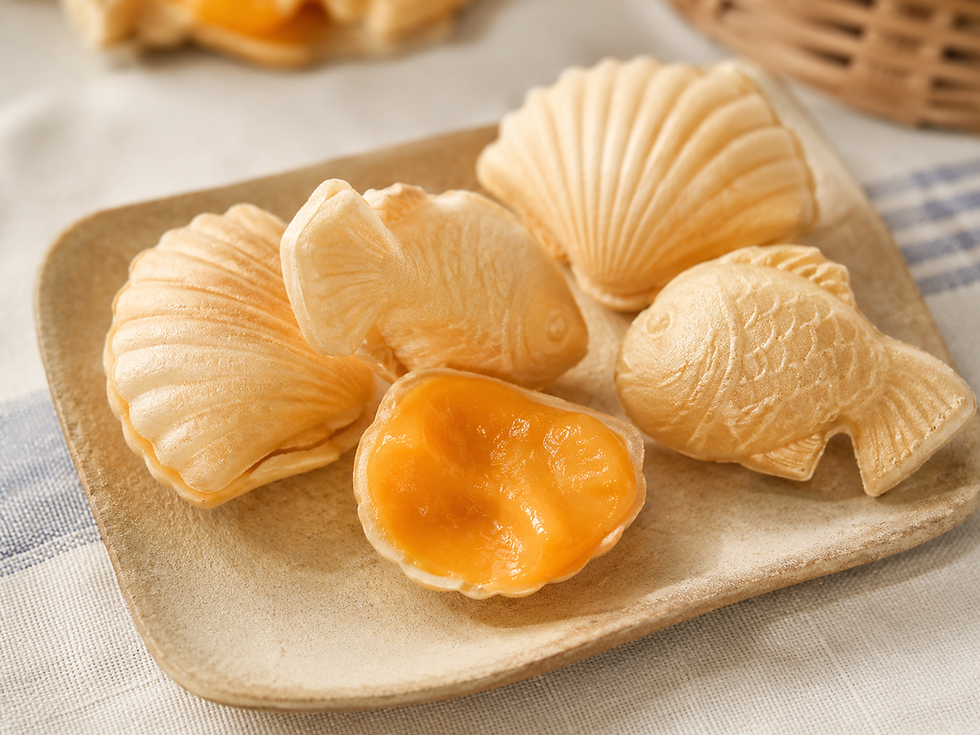
These traditional sweets are made with egg yolks and sugar and are strongly connected with Aveiro's culinary identity. They are often sold in small decorative shapes inspired by the sea, such as shells and fish.
You will find them in pastry shops around the city, making them an easy addition to your sightseeing route.
The important thing is not to treat ovos moles as just another dessert to photograph. Try them while you're exploring. Stop at a traditional pastry shop, order one with a coffee, and take a few minutes to enjoy the atmosphere.
Aveiro also has a strong connection with the sea and lagoon, so seafood naturally plays an important role in the local food scene. Depending on the season and restaurant, you can find fresh fish, shellfish, and other Portuguese dishes influenced by the nearby Atlantic coast.
For lunch, look beyond the busiest tourist-facing restaurants around the main attractions. Walk a few streets away and see where locals are eating. Smaller family-run restaurants can often provide a more relaxed experience.
And if you're continuing towards Costa Nova later in the day, you can save some room for seafood there as well.
Food is one of the easiest ways to understand a destination, and in Aveiro, local cuisine reflects the city's connection with both the lagoon and the Atlantic.
Local Tip: Try ovos moles from a traditional local pastry shop rather than buying them only as a souvenir. They're best enjoyed fresh.
5. Discover the Salt Pans and Traditional Side of Aveiro
There is another side of Aveiro that is easy to miss if you stay only around the canals.
The Ria de Aveiro lagoon has played an important role in the region's history, particularly through salt production. The traditional salt pans are a reminder that the city's relationship with water is much older than today's moliceiro tours.
Visiting the salt pans gives you a chance to see a quieter side of Aveiro and understand more about the landscape surrounding the city.
Depending on the season, you may see salt being collected and worked in the traditional way. The shallow pools, white salt piles, water channels, and open landscape create a completely different atmosphere from the colourful streets of the centre.
It is also a good opportunity to slow down after spending the morning walking around the city.
For travellers interested in local culture, this is one of the experiences that can make an Aveiro travel guide more meaningful. You're not simply seeing pretty places; you're learning how the landscape helped shape the city's traditions and economy.
The salt pans can also be interesting for photography, particularly in softer morning or late-afternoon light.
If you have limited time, you may need to choose between visiting the salt pans and spending more time in the centre. But if you have a full day, adding this quieter stop can give your trip more variety.
Local Tip: Check local opening arrangements before visiting, as access and activities around the salt pans can vary depending on the season.

6. From Aveiro to Costa Nova
After exploring Aveiro, it's time to head towards the coast.
One of the easiest additions to an Aveiro trip is a visit to Costa Nova, a seaside town known for its colourful striped houses and long Atlantic beach.
Costa Nova is close enough to visit as a half-day trip, making it a natural extension to your Aveiro itinerary rather than something that requires another full day.
The journey is relatively straightforward, and you can choose between public transport, taxi, or driving depending on your plans.
The important thing is to leave enough time. Costa Nova is not somewhere you want to visit for ten minutes just to take a photo of the famous houses.
Once you arrive, take a walk along the waterfront and explore the streets behind it. You'll find the colourful palheiros, traditional wooden houses originally connected with the area's fishing community.
Their bright stripes have become one of the most recognisable images of the Portuguese coast.
After photographing the houses, continue towards the beach. Costa Nova's Atlantic coastline provides a completely different experience from the calm canals of Aveiro.
This combination is what makes the trip so enjoyable. In one day, you can experience canals, architecture, traditional food, lagoon landscapes, and the open Atlantic coast.
Local Tip: If you're visiting in summer, don't leave Costa Nova until the middle of the afternoon. The beach and waterfront are particularly enjoyable later in the day.

7. Costa Nova's Famous Striped Houses
The first thing most people notice in Costa Nova is colour.
Rows of striped houses line the waterfront, creating one of Portugal's most recognisable coastal scenes. The traditional palheiros were originally used by fishermen and for storing fishing equipment, but today many have been transformed into homes, cafés, shops, and holiday accommodation.
The stripes come in different colours, including red, blue, green, and yellow, creating a lively contrast with the Atlantic landscape.
Take your time walking along the waterfront instead of photographing the first house you see and leaving. Different streets and angles offer completely different views.
You'll also notice that not every house is identical. Some retain a more traditional appearance, while others have been restored or adapted for modern use.
After exploring the houses, cross towards the beach and spend some time beside the ocean. Costa Nova's beach is wide and open, with long stretches of sand that make it ideal for a relaxing walk.
If the weather is good, you can easily spend a few hours here.
This is where the day becomes less about sightseeing and more about enjoying the destination. Take off your shoes, walk along the sand, sit near the water, or find a café for something cold to drink.
If you're travelling with children, Costa Nova is also a good place to give everyone a break from city sightseeing.
Local Tip: The waterfront can be busy in the middle of the day. Walk a little farther from the central area to find quieter views of the beach and houses.

8. Continue to Praia da Barra
If you still have time after Costa Nova, continue towards Praia da Barra.
The area is known for its long sandy beach and the Barra Lighthouse, one of the most recognisable landmarks along this stretch of Portuguese coastline.
The lighthouse stands beside the Atlantic and creates a dramatic contrast with the surrounding beach. It is particularly impressive when viewed from the shore, where you can appreciate just how large it is.
Praia da Barra is a good final stop because it gives your day a different ending. After the canals and architecture of Aveiro and the colourful houses of Costa Nova, you're suddenly standing beside the open Atlantic.
Walk along the beach, watch the waves, and, if the timing works, stay until sunset.
The coastline is especially beautiful in the evening when the crowds begin to disappear and the light becomes softer.
You don't have to spend hours here. Even a short walk along the beach can be enough to round off the trip.
If you're travelling without a car, check the public transport connections back towards Aveiro before staying late. Otherwise, you may find yourself waiting longer than expected after sunset.
Local Tip: If sunset is your goal, check the return transport before heading to Praia da Barra so you can enjoy the evening without worrying about getting back.

9. A Perfect One-Day Aveiro Itinerary
If you only have one day, don't try to see everything.
The best way to enjoy Aveiro is to create a balanced itinerary that gives you time for sightseeing, food, and simply enjoying the atmosphere.
09:00 - Historic Centre
Start your morning walking through Aveiro's central streets and canals. Explore Praça da República, nearby squares, traditional buildings, and the quieter streets around the centre.
10:30 - Moliceiro Boat Ride
Take a traditional moliceiro ride and see Aveiro from the water.
11:30 - Art Nouveau
Spend some time discovering the city's Art Nouveau buildings and visit the Art Nouveau Museum if architecture interests you.
13:00 - Lunch & Ovos Moles
Stop for lunch at a local restaurant and finish with Aveiro's famous ovos moles.
14:30 - Salt Pans
If time allows, explore the salt pans and discover another side of Aveiro's traditional landscape.
16:00 - Head to Costa Nova
Make your way from Aveiro to Costa Nova and explore the famous striped houses.
17:00 - Costa Nova Beach
Walk along the beach, relax beside the Atlantic, and enjoy the slower pace of the coast.
18:30 - Praia da Barra
If you still have energy, continue to Praia da Barra and see the famous lighthouse.
19:30 onwards - Sunset
Stay for the sunset if the weather is clear, then make your way back towards Aveiro.
Of course, you can adjust the itinerary depending on the season, transport, and opening hours. If you prefer slow travel, skip the salt pans or Praia da Barra and simply spend more time in Aveiro and Costa Nova.
That is often better than trying to squeeze everything into one day.

Final Thoughts
Aveiro is much more than a pretty city with colourful boats.
Its canals, Art Nouveau architecture, traditional sweets, salt pans, and connection with the Ria de Aveiro lagoon all tell a bigger story about the city and its people. And when you add Costa Nova and the Atlantic coast to your itinerary, you get an even better picture of the region.
The best thing about an Aveiro travel guide like this is that you don't need to rush from one attraction to another. Start slowly in the historic centre, enjoy a moliceiro ride, stop for local food, explore the city's traditional side, and then head towards Costa Nova for an afternoon beside the ocean.
If you're visiting Portugal and want somewhere that feels relaxed, colourful, and a little different from Lisbon or Porto, Aveiro deserves a place on your itinerary.
And who knows? You may arrive because of the famous canals and leave remembering the quiet streets, the taste of ovos moles, and the colourful houses beside the Atlantic. We have reached the end of this article. If you are planning a visit to Aveiro, be sure to check out our previous blogs for more tips on Best Food in Aveiro: 12 Traditional Dishes. You can continue discovering more hidden gems and captivating destinations, so stay tuned for more articles on our Website. Follow us @thewalkingparrot on Instagram to stay updated on new releases and join us as we embark on new adventures. We will be back soon with a new article. Make sure to check out our Aveiro food tour we are proposing.
Frequently Asked Questions
Is Aveiro worth visiting?
Yes. Aveiro is a great destination for travellers who enjoy architecture, canals, local food, and relaxed city breaks. Its compact centre makes it easy to explore in a day.
How long do you need in Aveiro?
One full day is enough to see the main attractions, but staying overnight gives you more time to explore at a slower pace and visit nearby coastal areas.
How do you get from Aveiro to Costa Nova?
Costa Nova is close to Aveiro and can be reached by public transport, taxi, or car. The journey makes an easy addition to a day exploring Aveiro.
What is Aveiro famous for?
Aveiro is famous for its canals, colourful moliceiro boats, Art Nouveau architecture, ovos moles sweets, and its connection with the Ria de Aveiro lagoon.
Is Costa Nova worth visiting from Aveiro?
Definitely. Costa Nova adds a completely different experience to an Aveiro trip, with its colourful striped houses, sandy Atlantic beach, and relaxed coastal atmosphere.


Comments