How to Spend One Day in Guimarães, Portugal: The Complete Itinerary
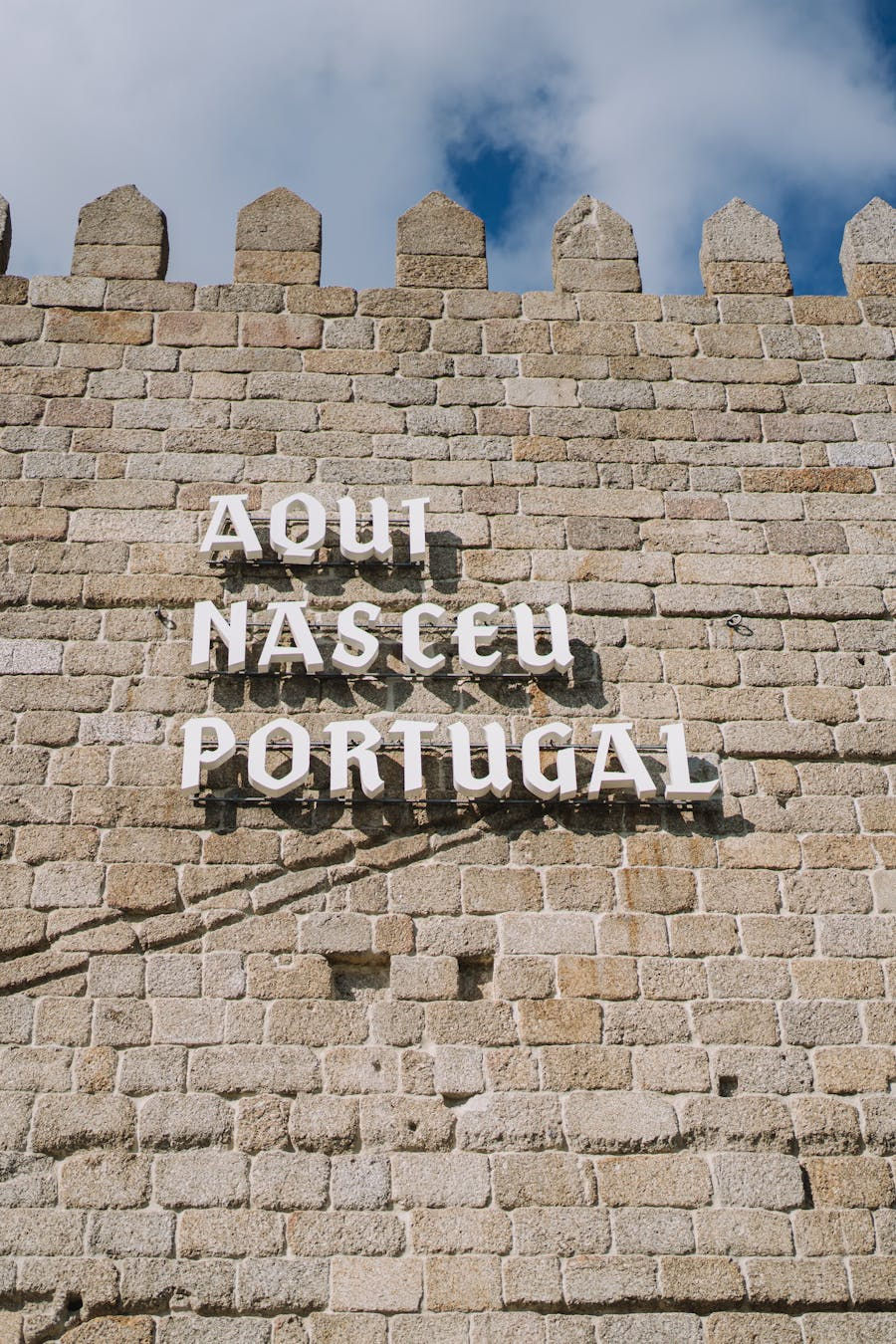
Guimarães is known as the "Cradle of Portugal," because it's where the nation was born in the 12th century. The city owns its history proudly: "Aqui Nasceu Portugal" ("Here Portugal Was Born") is inscribed on the castle walls. Guimarães is the perfect day trip from Porto: only about one hour away, easily accessible by train, and compact enough to explore in a day. Unlike Lisbon and Porto, Guimarães still feels genuinely local; it is not overrun by tourism. In this post you'll learn how to get to Guimarães, what to see, where to eat, what to try, and practical tips to plan a perfect visit.
Table of Contents

Why Visit Guimarães?
Guimarães is historically significant. Afonso Henriques, the first King of Portugal, was born here in the 12th century, Portugal as a country essentially started here. Guimarães was granted UNESCO World Heritage status in 2001; the historic center is one of the best-preserved medieval town centers in the Iberian Peninsula. Lisbon is grand and cosmopolitan, Porto is trendy and buzzing, while Guimarães is quieter, more intimate, and authentically Portuguese. The city is genuinely walkable as the main sights are all clustered together, making it ideal for a day trip without a car. Guimarães appeals to a range of travelers: history lovers, architecture fans, food lovers, photographers, and anyone who wants to see Portugal beyond the tourist trail. If you only have time for one day trip from Porto, make it Guimarães.
How to Get to Guimarães from Porto
By Train (recommended) Direct trains run from Porto's São Bento station. The journey takes approximately an hour one way. Trains run frequently throughout the day, so you don't need to purchase in advance you can easily buy a ticket at the station. It's one of the cheapest and easiest rail journeys in Portugal. Tip: catch an earlier train in the morning to make the most of your trip.
By Car Reaching Guimarães by car takes approximately 50 minutes. There are tolls along the way, so be prepared with cash or a card. There's parking near the historic center, but it gets busy on weekends. A car is easiest if you're traveling with a group or have luggage.
By Bus Buses also travel daily from Porto to Guimarães. The journey is slightly longer and less convenient than the train, but still an option.
The train is almost always the best choice, it drops you close to the center of the city, it's stress-free, and you get to enjoy the northern Portuguese countryside along the way.
The Perfect One-Day Itinerary in Guimarães
Morning: 9:00 – 12:00 Head straight to Guimarães Castle when it opens, there will be fewer crowds and better light for photos. From there, walk to the Paço dos Duques de Bragança next door and take about an hour to explore inside. Then stroll into the old town; the streets between the castle hill and Largo da Oliveira are beautiful and easy to wander.
Lunchtime: 12:00 – 14:00 Settle into a traditional restaurant in or just off the historic center, a great time to try regional dishes (see the food section below). Take your time and enjoy a long lunch, the Portuguese way.
Afternoon: 14:00 – 17:00 After lunch, pop into Igreja de Nossa Senhora da Oliveira, one of the most important churches in Northern Portugal. Right next door, visit Museu Alberto Sampaio, housed in a beautiful Gothic cloister, give yourself about an hour to explore the whole space. Then, for a peaceful break, take a walk through Alameda Park.
Evening: 17:00 – 18:30 Take the cable car (teleférico) up to Penha Hill for panoramic views over the city and the surrounding Minho landscape. At the top, visit the Sanctuary of Nossa Senhora da Penha. Head back down and grab a coffee or pastry before catching your train back to Porto.
This itinerary is flexible! If you prefer to linger and have a relaxing day, Guimarães rewards slow exploration.

Top Things to See in Guimarães
Guimarães Castle: One of the oldest and most symbolic castles in Portugal, built in the 10th century and later expanded. Walk along the battlements for views over the town. The castle itself is fairly small but has great atmosphere and history. Tip: the exterior and surrounding gardens are lovely if you want to skip the interior entrance fee.
Paço dos Duques de Bragança: a15th-century ducal palace that now functions as a national monument and museum. Highlights inside include Flemish tapestries, medieval weapons, furniture, and azulejo tile panels. It was heavily restored in the 20th century, so it feels very complete inside
The Historic Center & Its Streets: the area between the castle and Largo da Oliveira is the heart of the UNESCO-listed center. Look out for the Padrão do Salado monument and the medieval archways around Rua de Santa Maria. The streets are full of small cafés, local shops, and architecture that hasn't changed much in centuries. Guimarães is one of the most photogenic old towns in Portugal.
Igreja de Nossa Senhora da Oliveira: one of the most important churches in the Minho region. Founded in the 12th century, then rebuilt in the 14th. Free to enter and well worth a quick look inside.
Museu Alberto Sampaio: located in the former collegiate church and cloister next to the Oliveira church. The museum houses an impressive collection of medieval religious art, gold and silverwork, and textiles. The cloister itself is one of the main highlights and a good option for a hot afternoon when you want shade and culture.
Penha Hill & Cable Car: the teleférico departs near the city center and takes you up to Penha Hill in about 10 minutes. At the top: the Sanctuary of Nossa Senhora da Penha, rocky woodland, and views over the city and Minho valley.
Where to Eat and What to Try in Guimarães
Guimarães sits in the Minho region, which has its own distinct food culture — heartier, pork-forward, and very traditional. This is northern Portuguese cuisine at its most authentic, quite different from what you'd find in Lisbon.
Dishes to Try
Rojões à Minhota: The signature dish of the Minho region: slow-cooked chunks of pork, often served with potatoes, pickled vegetables, and blood sausage. Rich, filling, and deeply traditional. You'll find it in almost any traditional restaurant in Guimarães.
Papas de Sarrabulho: A thick, dark stew made from pork, blood, and various offal, seasoned with cumin and lemon. A centuries-old dish locals are proud of, not for the faint-hearted, but adventurous food lovers should try it. Often served as a starter or alongside rojões.
Bacalhau (Salt Cod): Portugal's most iconic ingredient appears everywhere; in Guimarães it's grilled, baked, or stewed. A safe and delicious choice if you want something universally familiar.
Caldo Verde: A simple, comforting soup made from potato, kale, and chouriço (smoked sausage). A staple of northern Portugal and a perfect starter on a cooler day.
Broa de Milho: Dense, slightly sweet cornbread typical of northern Portugal, often served alongside soups and stews.
Tortas de Guimarães: The town's most famous sweet treat: thin rolled pastries filled with egg cream. Found in bakeries and pastelarias throughout the historic center, always buy them fresh.
Where to Eat
For a sit-down lunch, look for restaurants one or two streets over from the main tourist squares for better value and a more local atmosphere. The area around Rua de Santa Maria and the streets behind the castle hill have good options. Avoid anywhere with laminated picture menus or servers trying to wave you inside.
If northern Portuguese food has sparked your curiosity, our Porto Food Tour explores many of these same Minho flavors and traditions in more depth. A great way to round off a day trip to Guimarães.

Local Tips and Hidden Gems
If possible, plan your visit on a weekday, Guimarães is popular with Portuguese domestic tourists on weekends and can get surprisingly busy. Go early to the castle; it's more enjoyable before the large tour groups arrive, and the morning light is great for photos. The streets around Rua de Santa Maria are some of the most beautiful in the city but often overlooked in favor of the main square, worth exploring. Don't skip the cable car: many day-trippers run out of time or energy, but the views from Penha are genuinely worth it. Wear comfortable shoes! The streets around the castle are cobbled and uneven, with a fair amount of uphill walking. The Minho region is the wettest in Portugal, so if you're visiting in autumn or winter, pack a light rain jacket.
Guimarães still feels the way Porto did before it became a major tourist destination: unhurried, proud of its identity, and very welcoming to visitors who show genuine curiosity.
FAQ
Is Guimarães worth a day trip from Porto? Absolutely! It's one of the best day trips available from Porto. The combination of medieval history, great food, and an authentic local atmosphere makes it stand out from other nearby options.
How many hours do you need in Guimarães? You can see the main highlights comfortably in 6–8 hours. If you want to include the cable car up to Penha, a full day is ideal.
What is Guimarães famous for? Guimarães is famous for being the birthplace of Portugal and its first king, Afonso Henriques. Its medieval historic center is a UNESCO World Heritage Site and one of the best-preserved in the country.
When is the best time to visit Guimarães? Spring (April–June): ideal weather, fewer crowds, everything green. Early autumn (September–October): warm, quieter than summer. Summer (July–August): hot and slightly busier, but still far less crowded than Lisbon or Porto. Winter: quiet and atmospheric, but the Minho gets rain, pack accordingly.
Conclusion
Guimarães is one of those rare places that feels genuinely untouched by mass tourism while still being easy to visit. The history, the food, the architecture, and the sense of walking through a city that hasn't tried to perform itself for tourists make this a great day trip, and one of our favorite reasons to spend extra time in the north of Portugal.
If you're building your Portugal itinerary around Porto, this is just one of the experiences we can help you plan. Book one of our food, walking, or photo tours at thewalkingparrot.com, and follow us on Instagram @thewalkingparrot for more guides, hidden gems, and new adventures around Portugal.


The Basketball Bros controls are simple enough for beginners, but winning consistently takes good timing and quick reactions, which keeps the gameplay interesting.