How to prepare for a Portugal trip in 2026
Updated: Mar 9
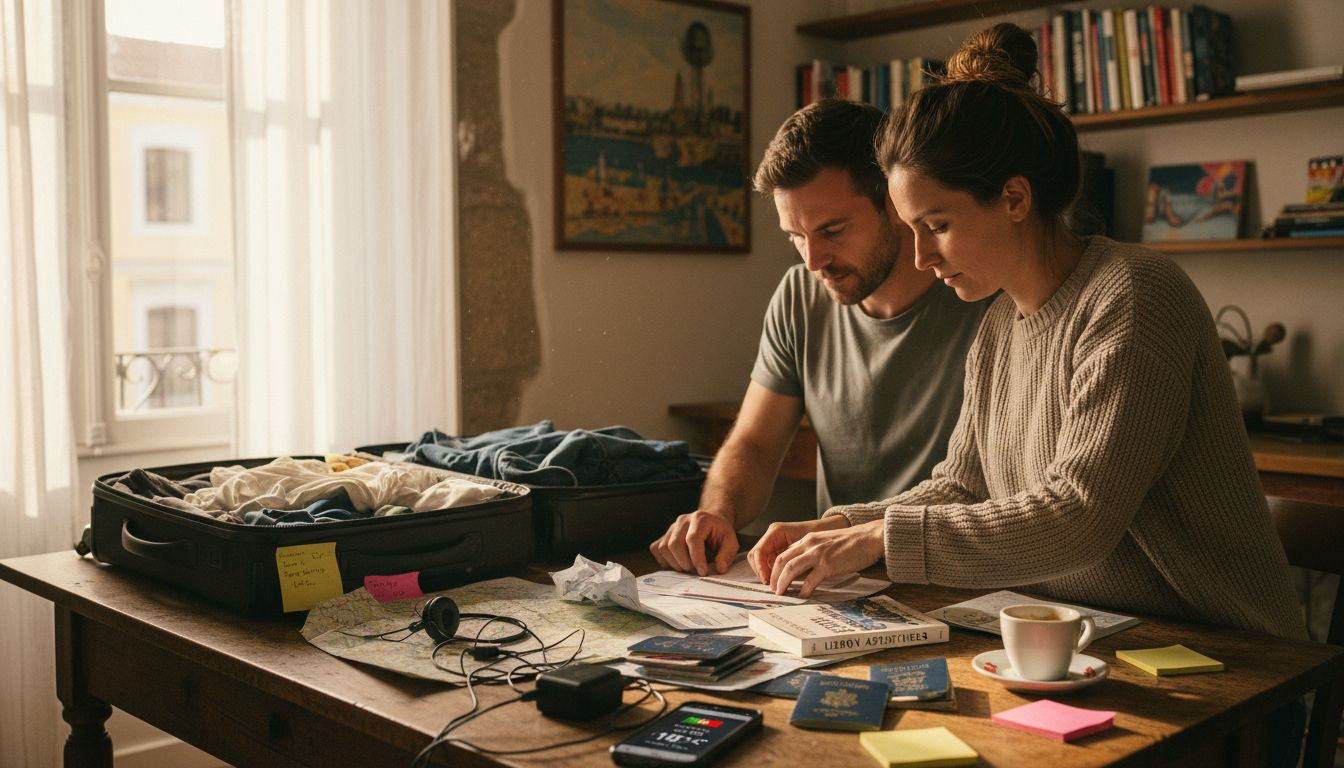
Planning a trip to Portugal can feel overwhelming with its diverse regions, seasonal festivals, and rich cultural tapestry. You want authentic culinary experiences, efficient transportation, and immersive tours, but coordinating everything seems daunting. This guide walks you through every essential preparation step, from timing your visit to booking expert-led tours, ensuring you maximize cultural immersion while avoiding common pitfalls that derail many travelers.
Table of Contents
Key takeaways
Point | Details |
Optimal travel seasons | Spring and autumn offer mild weather, fewer crowds, and vibrant cultural events across Portugal. |
Transportation flexibility | Public transit connects major cities efficiently, but car rentals unlock remote beaches and natural parks. |
Culinary immersion | Authentic food tours and regional wine tastings deepen your cultural understanding beyond typical tourist experiences. |
Advance booking | Reserve tours, accommodations, and transport early to secure availability and better prices, especially during peak seasons. |
Cultural preparation | Learning basic Portuguese phrases and local customs enhances interactions and demonstrates respect for traditions. |
Prerequisites: what you need before you go
Before you step onto Portuguese soil, tackle the administrative and research essentials that prevent last-minute scrambling. Start with your passport. Ensure it’s valid for at least six months beyond your planned departure date. Citizens from the US, Canada, and EU countries typically don’t need visas for stays under 90 days, but confirm current requirements based on your nationality.
Research becomes your foundation for smart decisions. Check seasonal weather patterns for your target regions. Coastal areas differ dramatically from inland wine country. Identify major festivals or holidays that might affect accommodation availability and prices. For example, Lisbon’s Santo António Festival in June draws massive crowds, while winter months in the Algarve offer tranquil beaches with budget-friendly rates.
Book your core logistics early. Securing flights, hotels, and initial transportation three to six months ahead locks in better rates and guarantees availability. Popular neighborhoods in Lisbon and Porto fill quickly during spring and summer. Consider proximity to public transit hubs if you plan extensive city exploration.
Learn basic Portuguese phrases. Simple greetings like “Bom dia” (good morning) and “Obrigado/Obrigada” (thank you) signal respect. Most urban areas have English speakers, but rural regions appreciate the effort. Familiarize yourself with dining etiquette, tipping norms (10% is standard for good service), and Fado music venue protocols.
Pro Tip: Download offline maps of major cities and bookmark key addresses before departure. Portugal’s Wi-Fi is widely available, but having offline access prevents navigation stress during connectivity gaps.
Best time to visit Portugal
Timing your visit shapes your entire experience, from weather comfort to crowd levels and activity availability. Spring and autumn provide ideal conditions, with temperatures ranging from 60-75°F and significantly fewer tourists than summer months. March through June brings blooming landscapes and cultural festivals, while September through November offers grape harvest celebrations and comfortable beach weather.
Summer delivers vibrant energy but comes with trade-offs. July and August see temperatures exceeding 90°F in southern regions, packed beaches, and inflated accommodation prices. Coastal cities host numerous music festivals and outdoor events, perfect if you thrive in bustling atmospheres. However, popular attractions require advance reservations, and you’ll compete with peak tourist crowds.
Winter presents budget opportunities with mild temperatures in southern Portugal. The Algarve maintains 55-65°F averages, suitable for hiking and exploring historic towns. Northern areas experience more rainfall and cooler conditions, but Lisbon and Porto remain accessible year-round. Hotel rates drop 30-40% compared to summer, and restaurants offer more relaxed dining experiences. Discover more about festival timing to align your visit with cultural events.
Consider these seasonal highlights:
Spring: almond blossoms in the Algarve, Easter processions, comfortable temperatures for walking tours
Summer: beach season, outdoor festivals, extended daylight hours for exploration
Autumn: wine harvest festivals, mild weather, reduced tourist density
Winter: budget travel, festive Christmas markets, authentic local interactions
Plan activities around Portugal’s seasonal patterns to maximize comfort and cultural immersion.
Navigating transportation in Portugal
Selecting the right transportation mix determines how efficiently you explore Portugal’s diverse regions. Public transit efficiently connects major cities through an integrated network of trains and buses. Comboios de Portugal operates rail service between Lisbon, Porto, Coimbra, and other urban centers. High-speed Alfa Pendular trains complete the Lisbon-Porto route in under three hours, offering comfort and reliability.
Urban metros in Lisbon and Porto provide affordable, frequent service. Purchase rechargeable Viva Viagem cards for seamless travel across metro, tram, and bus systems. Single rides cost around €1.50, while day passes offer unlimited travel for approximately €6.50. Book intercity train tickets online through CP’s website weeks ahead for seat selection and discounted fares.
Renting a car opens remote possibilities but requires preparation. Portugal’s electronic toll system catches many visitors off guard. Highways use automated cameras that bill rental companies, who then charge your card with additional fees. Request toll transponders from rental agencies or prepay toll packages to avoid surprise charges weeks after your trip.
Driving suits specific scenarios:
Exploring Douro Valley vineyards and rural wine estates
Accessing secluded Algarve beaches and coastal trails
Visiting historic towns in central Portugal without public transit
Maintaining flexible schedules independent of train timetables
Transport Method | Best For | Average Cost | Booking Timeline |
Metro/Tram | City exploration | €1.50-6.50/day | Purchase on arrival |
Intercity Train | Lisbon-Porto-Coimbra | €25-45 one-way | 2-4 weeks ahead |
Regional Bus | Smaller towns | €10-20 | 1-2 weeks ahead |
Car Rental | Remote areas | €30-50/day plus tolls | 4-8 weeks ahead |
Pro Tip: Combine transport modes strategically. Use trains for city-to-city travel, then rent cars for 2-3 day regional explorations. This approach minimizes parking hassles in urban areas while maintaining flexibility for countryside adventures. Check out Porto tours and Lisbon tours that eliminate transportation stress.
Authentic Portuguese cuisine and culinary experiences
Portugal’s culinary identity reflects centuries of maritime exploration and regional diversity. Understanding signature dishes and booking immersive food experiences transforms meals from sustenance into cultural education. Bacalhau dominates menus nationwide, with Portuguese cooks claiming 365 preparation methods for this salted cod. Try bacalhau à brás (shredded cod with potatoes and eggs) or bacalhau com natas (cod in cream sauce) for traditional preparations.
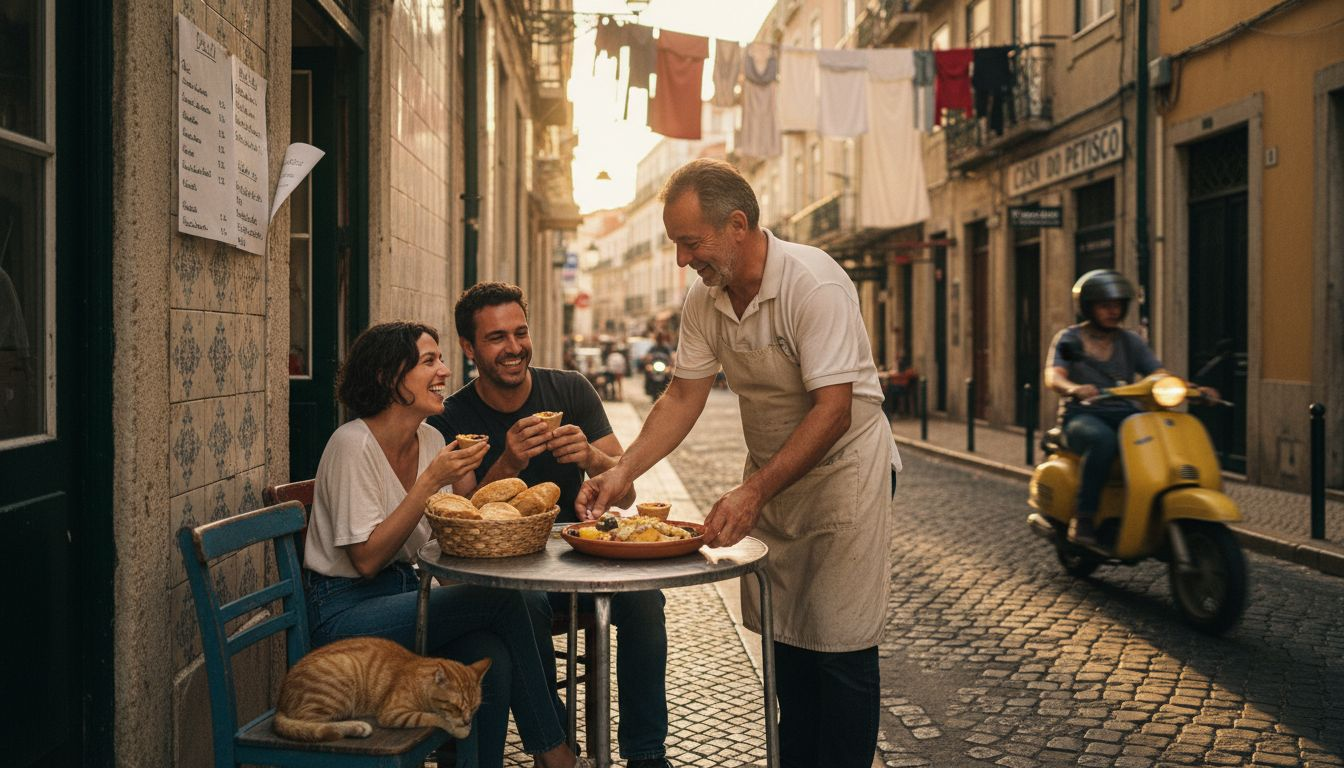
Pastel de nata represents Portugal’s most iconic sweet. These custard tarts originated in Lisbon’s Belém district, where Pastéis de Belém still uses a secret 19th-century recipe. The flaky pastry cradles creamy custard with caramelized tops, best enjoyed warm with cinnamon. Every bakery offers versions, but quality varies dramatically.
Regional wines complement meals perfectly. Vinho Verde from the northwest offers light, slightly sparkling whites ideal for seafood. Douro Valley produces robust reds and world-famous Port wine. Alentejo’s full-bodied reds pair with hearty meat dishes. Order house wine (vinho da casa) in traditional tascas for authentic, affordable experiences.
Food tours provide insider access beyond guidebook recommendations:
Market visits revealing ingredient selection and preparation techniques
Family-owned restaurants rarely discovered by independent tourists
Historical context connecting dishes to Portugal’s cultural evolution
Multiple tastings across neighborhoods within concentrated timeframes
Pro Tip: Schedule food tours early in your trip. Guides share restaurant recommendations and neighborhood insights that inform your remaining dining choices. Book Lisbon food tours or Porto food tours for expert-led culinary immersion that elevates your entire visit.
Explore Portuguese cuisine fundamentals to recognize quality and authenticity during your travels.
Booking personalized tours and immersive experiences
Expert-guided tours transform surface-level sightseeing into meaningful cultural exchanges. Local guides provide historical context, architectural insights, and contemporary perspectives that deepen your understanding of Portuguese culture. Booking tours online months ahead prevents sold-out disappointments, especially during spring and summer peak seasons.
Personalized tours adapt to your interests rather than following rigid group scripts. Specify your preferences when booking: architectural history, culinary traditions, contemporary art scenes, or neighborhood social dynamics. Specialized guides tailor routes and commentary to match your curiosity, creating unique experiences impossible in large bus tours.
Timing matters significantly. Reserve popular experiences like Sintra palace tours, Douro Valley wine tastings, and Lisbon tile workshops at least six to eight weeks ahead during high season. Shoulder season bookings require less advance notice but still benefit from two to four week lead times. Last-minute availability exists but limits choices and often costs more.
Consider these booking strategies:
Choose small group tours (6-10 people maximum) for better guide interaction
Morning tours capture cooler temperatures and softer photography light
Multi-day experiences in wine regions include accommodation and transport
Private tours accommodate specific mobility needs and pacing preferences
Verify guide credentials and company reviews before booking. Look for operators emphasizing local expertise, sustainable tourism practices, and fair guide compensation. Read recent reviews focusing on guide knowledge, group size accuracy, and itinerary flexibility.
Explore Lisbon guided tours and group tour options that match your travel style. Professional operators handle logistics while you focus on absorbing Portugal’s rich cultural tapestry. Learn more about booking advantages for securing quality experiences.
Common traveler mistakes to avoid
Anticipating frequent pitfalls saves time, money, and frustration throughout your Portugal trip. Airport security in Lisbon and Porto can involve lengthy queues, especially during summer months. Underestimating security processing time causes missed connections and boarding stress. Arrive three hours before international flights and two hours for domestic travel, particularly during morning departure rushes.
Electronic toll systems confuse many rental car drivers. Portugal’s highways use cameras that capture license plates rather than traditional toll booths. Rental agencies charge tolls to your credit card weeks after your trip, often adding service fees. Confirm your rental company’s toll payment system before driving. Request a transponder device or prepay estimated toll costs to maintain budget control.
Popular activities sell out faster than many travelers expect. Assuming you can book quality tours upon arrival leads to disappointment or settling for mediocre alternatives. Reserve desired experiences when finalizing accommodation, treating tours as essential trip components rather than optional additions.
Cultural etiquette mistakes diminish local interactions:
Greeting shopkeepers and restaurant staff with “Bom dia” before transactions shows respect
Fado venues expect silence during performances; talking disrupts this sacred tradition
Beach attire stays at beaches; cover up when entering shops and restaurants
Tipping 10% acknowledges good service but isn’t mandatory like in some countries
“Respecting local customs isn’t about following rigid rules. It’s about recognizing you’re a guest in someone’s home and showing appreciation for their hospitality through small, thoughtful gestures.”
Avoid walking tours in inappropriate footwear. Portugal’s historic neighborhoods feature steep hills, cobblestone streets, and uneven surfaces. Comfortable, broken-in walking shoes prevent blisters and ankle injuries that ruin subsequent days. Save fashionable footwear for evening dining.
Language barriers rarely cause problems in tourist areas, but learning basic phrases demonstrates effort. Locals appreciate attempts at Portuguese even if your pronunciation needs work. Download translation apps as backups but try personal interaction first. Check Lisbon tour recommendations for guidance on cultural immersion best practices.
Trip budget, timelines, and expected outcomes
Realistic budgeting prevents financial stress while maximizing experience quality. A seven-day mid-range Portugal trip typically costs €1,200-€1,500 per person, covering accommodation, meals, transportation, and activities. Budget travelers can reduce costs to €800-€1,000 by choosing hostels, cooking some meals, and limiting paid tours. Luxury experiences range from €2,500-€4,000, featuring upscale hotels, fine dining, and private tours.
Accommodation represents your largest expense. Mid-range hotels in Lisbon and Porto cost €80-€120 nightly, while Airbnb apartments offer more space at similar prices. Budget hostels start around €25-€40 per bed. Book centrally located options near metro stations to minimize daily transportation costs and maximize walking exploration.
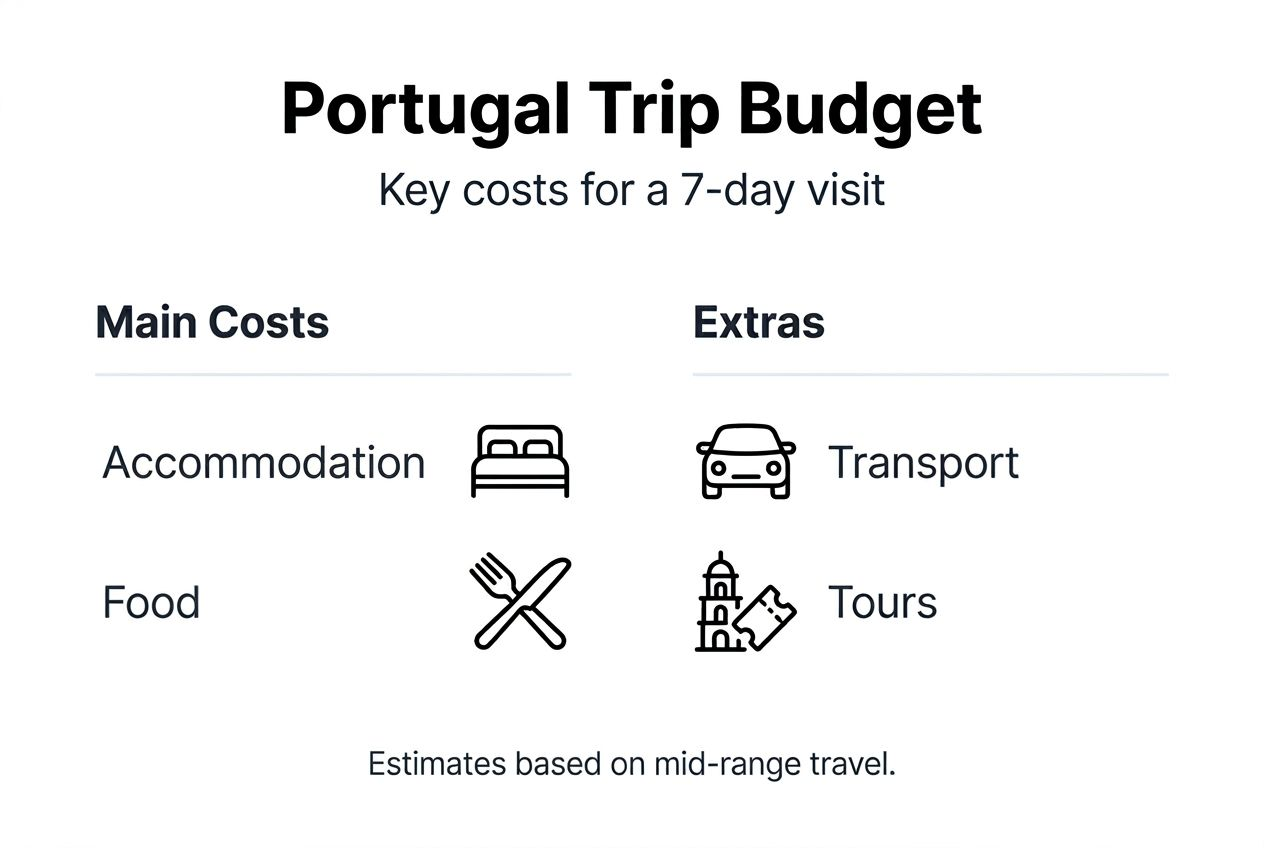
Expense Category | Budget | Mid-Range | Luxury |
Accommodation (per night) | €25-40 | €80-120 | €200-400 |
Meals (per day) | €20-30 | €40-60 | €100-150 |
Tours & Activities | €15-25/day | €40-60/day | €150-250/day |
Transportation | €10-15/day | €20-30/day | €50-80/day |
Timeline recommendations balance thorough exploration with sustainable pacing. Seven to ten days allows coverage of Lisbon, Porto, and one additional region like Douro Valley or the Algarve. Shorter trips require choosing between northern cultural hubs or southern coastal relaxation. Longer visits enable deeper regional immersion and spontaneous discoveries.
Allocate time for slow experiences:
Full-day wine tours with multiple quinta visits and leisurely tastings
Walking tours that pause for photography and neighborhood café stops
Beach afternoons without rushing to next scheduled activities
Evening Fado performances followed by unhurried dinners
Advance planning combined with local expertise delivers maximum cultural immersion. Booking core logistics early provides structure, while leaving some days unscheduled permits spontaneous exploration. This balanced approach reduces stress while capturing Portugal’s essence through both planned experiences and serendipitous moments.
Explore culinary tour options that fit various budget levels while delivering authentic Portuguese food culture.
Enhance your trip with expert tours from The Walking Parrot
You’ve learned the preparation essentials, but executing them perfectly requires local expertise. The Walking Parrot specializes in personalized walking and food tours throughout Lisbon and Portugal’s iconic cities, connecting you with guides who live and breathe Portuguese culture daily. Our expert-led experiences transform generic sightseeing into meaningful cultural exchanges that reveal Portugal’s authentic character.
Book Lisbon walking tours that adapt to your interests, whether you’re fascinated by Moorish architecture, contemporary street art, or neighborhood social history. Our group tour options accommodate families and friends seeking shared adventures with flexible scheduling. Reserve Lisbon food tours months ahead to secure preferred dates, especially during spring and summer peak seasons when availability tightens quickly.
Frequently asked questions about preparing for a Portugal trip
What’s the best way to experience authentic Portuguese culture?
Book food tours with local guides who share family restaurant recommendations and explain dish origins. Attend Fado performances in traditional venues rather than tourist-focused restaurants. Explore neighborhoods beyond central tourist zones where locals actually shop and dine.
When should I book tours and transportation for Portugal?
Reserve tours six to eight weeks ahead during spring and summer peak seasons. Book intercity trains two to four weeks early for seat selection and discounted fares. Secure accommodation three to six months ahead in popular neighborhoods to guarantee availability and better rates.
How much budget should I plan for a week-long trip?
Mid-range travelers should budget €1,200-€1,500 per person covering accommodation, meals, transportation, and activities. Budget-conscious visitors can reduce costs to €800-€1,000 through hostels and selective tour booking. Luxury experiences range from €2,500-€4,000 for upscale hotels and private tours.
Are there local customs I should be especially aware of?
Greet shopkeepers and restaurant staff before making requests. Maintain complete silence during Fado performances as talking is deeply disrespectful. Tip 10% for good restaurant service. Learn basic Portuguese phrases like “Bom dia” and “Obrigado” to show respect for local culture.
What transportation should I use for exploring Portugal’s remote areas?
Rent a car for accessing Douro Valley vineyards, secluded Algarve beaches, and rural historic towns lacking public transit. Confirm electronic toll payment systems with rental agencies before driving to avoid surprise fees. Use trains and metros for city-to-city travel, then rent cars for specific regional explorations.
Recommended


Comments