What is a city tour? Immersive cultural experiences
Updated: Mar 9
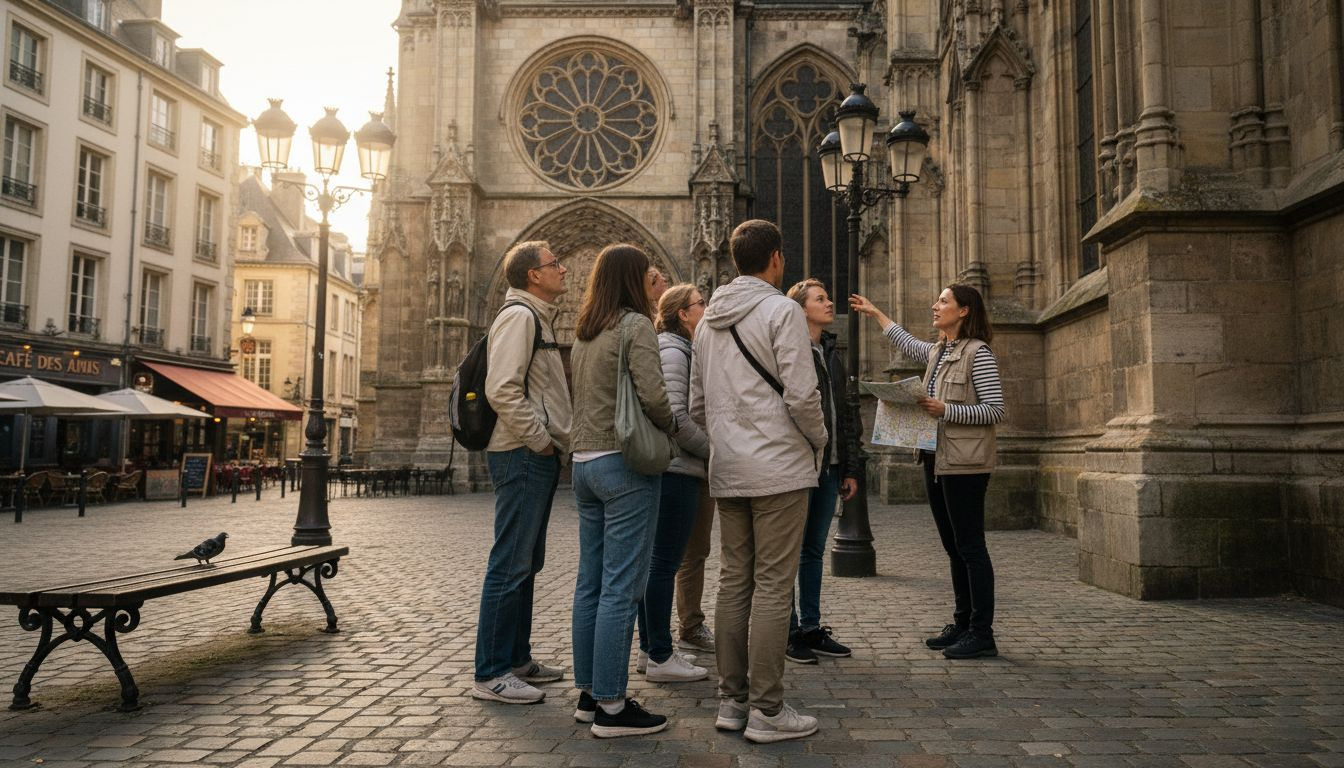
Most travelers think city tours mean checking landmarks off a list, but personalized tours boost satisfaction by 40%. True city tours weave stories, culture, and flavors into journeys that transform sightseeing into memorable discovery. This guide explores what city tours truly offer, types available across Portugal and Poland, and how to choose experiences that match your interests and pace.
Table of Contents
Key takeaways
Point | Details |
Definition | City tours combine guided narratives, cultural insights, and sensory experiences like food tastings for immersive exploration. |
Tour types | Walking, bus, food, and private tours each offer distinct benefits suited to different traveler preferences and mobility needs. |
Core pillars | History, culture, and cuisine create rich experiences that connect travelers deeply with destinations like Lisbon and Warsaw. |
Personalization | Customized itineraries and flexible scheduling increase engagement and allow exploration beyond typical tourist routes. |
Selection tips | Match tours to your interests, check guide expertise, consider group size, and prioritize interactive storytelling for best results. |
What is a city tour? Understanding the concept
A city tour is a structured exploration led by knowledgeable guides combining historical narratives, cultural insights, and sensory experiences such as tasting local food to create immersive visitor experiences. Unlike self-guided wandering, these tours follow carefully designed routes that reveal layers of meaning behind streets, buildings, and neighborhoods.
Most city tours last 2 to 4 hours with groups of 10 to 20 people, striking a balance between intimate engagement and social energy. Guides share stories that textbooks miss, revealing how locals live, celebrate, and preserve traditions. You walk cobblestone streets hearing tales of revolutions, taste pastries that define regional identity, and see architecture through the eyes of those who built it.
Three core pillars define quality city tours:
Culture: Local customs, legends, and daily life practices unique to each destination
History: Narratives connecting past events to present-day neighborhoods and monuments
Cuisine: Authentic flavors and food traditions that express regional heritage
These elements transform passive observation into active discovery. You don’t just see a cathedral, you understand why it matters to residents. Food stops aren’t snack breaks but windows into agricultural traditions and family recipes passed through generations.
Types and formats of city tours
Different tour formats serve different traveler needs. Walking tours facilitate intimate local engagement through slow-paced exploration, while bus tours cover more ground quickly, and food tours specialize in culinary culture. Understanding these options helps you choose experiences matching your priorities.
Walking tours encourage close interaction with neighborhoods and residents. Guides pause frequently for storytelling, allowing you to photograph details, ask questions, and absorb atmosphere. The slower pace reveals textures, smells, and sounds that buses bypass. These tours work best for travelers comfortable with 2 to 3 miles of walking and seeking authentic cultural immersion.
Bus tours provide faster coverage of larger areas, ideal for travelers with limited mobility or tight schedules. You view major landmarks from comfortable seats while guides narrate historical context through audio systems. Though you sacrifice street-level interaction, you gain geographic scope and climate protection. Many portugal tours combine bus transport with walking segments for balanced exploration.
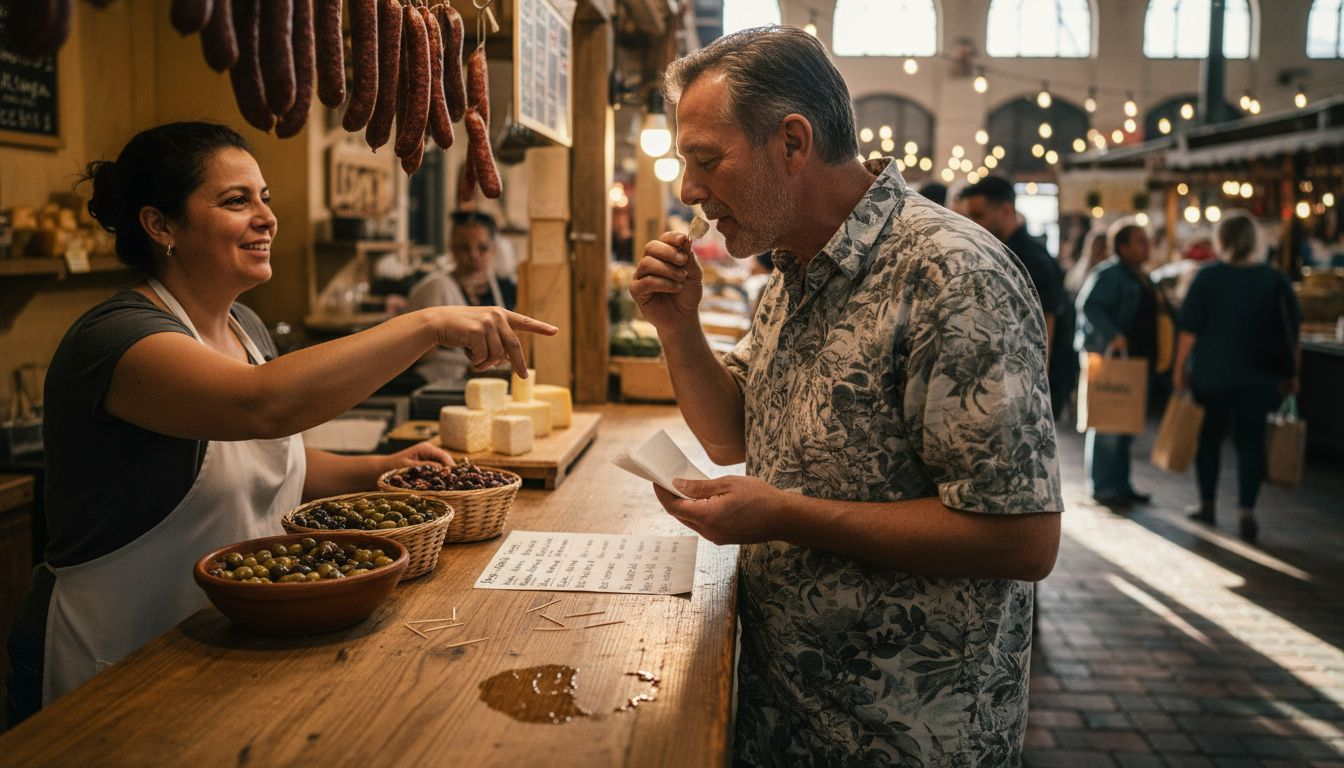
Food tours center on culinary traditions, visiting markets, bakeries, and family restaurants where recipes haven’t changed in decades. You taste regional specialties while learning agricultural histories and cooking techniques. These tours engage all senses, making culture tangible through flavor. They’re perfect for travelers who believe food tells stories that words can’t capture.
Private and customized tours offer tailored itineraries matching specific interests, whether architecture, street art, or literary history. You control pacing, focus areas, and schedule flexibility. Though typically more expensive, these local tour activities deliver highly personalized experiences. Couples celebrating anniversaries or families with varying ages often prefer this format.
Cities like Gdansk offer all formats, letting you mix types across multiple days for comprehensive exploration.
Highlighting local history, culture, and cuisine
The magic happens when tours integrate historical narratives, cultural customs, and culinary experiences into cohesive stories. Historical content typically occupies 50 to 60 percent of tour time, providing context that makes buildings and streets meaningful. Guides don’t recite dates but share human stories, emotional connections between events and places you’re standing.
Cultural expression comes through local legends, festivals, and daily rituals unique to each city. In Lisbon, you might learn why residents paint tiles on building facades or how Fado music emerged from neighborhood taverns. In Warsaw, guides explain reconstruction efforts after World War II and how modern Poles balance honoring history with embracing innovation. These insights transform tourists into temporary locals understanding the rhythm of city life.
Culinary tastings engage senses beyond sight and sound. Food carries memory, tradition, and regional pride. A Lisbon Portuguese food tour might include pastel de nata from the bakery that perfected them, explaining how custard tarts became national symbols. Similarly, a Warsaw Polish food tour introduces pierogi varieties while discussing agricultural cycles that shaped ingredient availability.
Examples of integrated experiences:
Porto wine cellars: Historical trade routes, cultural significance of port production, tastings of vintage varieties
Krakow Jewish Quarter: Wartime narratives, cultural preservation efforts, traditional Jewish pastries at family bakeries
Lisbon’s Alfama: Moorish architectural influences, Fado music origins, grilled sardines at neighborhood taverns
This three-pillar approach creates multi-dimensional understanding. You leave knowing not just what happened, but why it matters and how it tastes.
Personalization and customization in city tours
Standardized tours serve general audiences, but customization boosts satisfaction by 40% by aligning itineraries with personal interests. Travelers focusing on medieval architecture explore different sites than those passionate about street art or contemporary design. Flexible scheduling accommodates various paces, from leisurely photographers to energetic explorers covering maximum ground.
Personalized tours often venture beyond standard routes into residential neighborhoods, workshops, and local hangouts tourists rarely find independently. These hidden gems provide authentic interactions with artisans, shopkeepers, and residents willing to share insider perspectives. You might visit a fourth-generation shoemaker, sample cheese at a century-old deli, or explore street art alleys with the artists themselves.
Group tours with customization options allow small cohorts with shared interests to shape experiences collectively. A family might emphasize child-friendly activities and flexible break times, while corporate groups focus on team-building aspects and networking opportunities. Accessibility modifications ensure travelers with mobility challenges enjoy full participation through route adjustments and transportation alternatives.
Pro Tip: When booking, ask providers about off-the-beaten-path options matching your specific interests. Guides appreciate engaged travelers and often share favorite spots reserved for curious guests rather than rushing through standard checklists.
Flexible timing means you can extend stops at locations that captivate you or skip elements that don’t resonate. This autonomy transforms tours from rigid schedules into organic discoveries shaped by real-time interests and energy levels.
Comparing formats and their benefits
Different tour formats deliver varying satisfaction levels based on how well they match traveler priorities. Understanding these differences helps you invest time and money wisely.
Tour Type | Satisfaction Rate | Key Advantages | Considerations |
Walking | 80% | Intimate local engagement, flexible pacing, sensory immersion | Requires moderate fitness, weather dependent |
Bus | 65% | Greater geographic coverage, accessibility friendly, climate controlled | Limited interaction, less cultural depth |
Food | 75% | Multi-sensory experiences, culinary traditions, social atmosphere | Higher cost per hour, less historical focus |
Private | 90% | Complete customization, flexible schedule, personalized attention | Premium pricing, requires advance planning |
Walking tours achieve highest satisfaction among active travelers prioritizing cultural depth and local interaction. The slower pace and street-level perspective create memorable moments that rushed itineraries miss. You overhear conversations, smell bakeries, and notice architectural details that buses speed past.
Bus tours serve travelers balancing multiple cities in short timeframes or those with mobility limitations. They efficiently cover major landmarks while providing historical context. Though cultural interaction suffers, you gain geographic comprehension and comfortable viewing positions.
Food tours blend education with pleasure, engaging taste, smell, and social connection. They work brilliantly for travelers who learn best through experiential activities rather than pure narration. Satisfaction rates reflect the universal appeal of good food and the stories it carries.
Private tours command highest satisfaction but steepest prices. Complete control over itinerary, pacing, and focus areas justifies premium costs for travelers seeking maximum value from limited vacation time. Couples celebrating special occasions and families with specific needs particularly benefit from this format.
Choosing format depends on weighing priorities: cultural depth versus geographic coverage, budget flexibility versus experience quality, physical capability versus comfort preferences. Many travelers in Portugal and across European destinations mix formats, booking walking tours for neighborhoods they want to truly absorb and bus tours for efficient landmark overviews.
Practical tips for choosing the right city tour
Selecting the ideal city tour requires matching offerings to your travel style, interests, and practical needs. Follow these steps for best results:
Identify your primary interest. Determine whether you prioritize historical depth, cultural immersion, culinary exploration, or balanced variety. This focus guides format selection and helps you evaluate tour descriptions effectively.
Research guide expertise and reviews. Experienced guides transform good tours into exceptional ones through storytelling skill and local knowledge. Read recent reviews on multiple platforms, noting comments about guide engagement, route quality, and group dynamics.
Consider group size and composition. Smaller groups enable more questions and personalized attention. Check whether tours attract specific demographics like families, solo travelers, or seniors to ensure compatible social atmosphere.
Assess physical requirements honestly. Review distance walked, terrain difficulty, and standing duration. Tours listing “moderate fitness” typically involve 2 to 3 miles with some hills. Request modifications if needed rather than struggling through unsuitable itineraries.
Investigate customization options. Even standardized tours sometimes accommodate special requests. Ask about focusing extra time on specific interests or skipping elements that don’t appeal. Guides appreciate engaged travelers willing to shape experiences collaboratively.
Look beyond standard routes. The best tours include hidden gems and local favorites alongside famous landmarks. Inquire about neighborhood stops, artisan visits, or market explorations that provide authentic cultural windows.
Balance educational value with interactive elements. Pure lecture tours exhaust attention spans. Seek experiences mixing storytelling with activities, tastings, hands-on demonstrations, or local interactions that cement learning through engagement.
Travelers exploring Lisbon tours or planning group tours benefit from consulting with tour providers about tailoring experiences. Many operators offer free consultations helping you navigate options and build ideal itineraries. Take advantage of this expertise rather than booking blindly based solely on price or convenience.
Additional travel tips specific to Portugal include booking popular tours several days ahead during peak seasons and confirming whether food tastings accommodate dietary restrictions. Most professional operators provide detailed pre-tour information covering meeting points, suggested clothing, and what to bring.
Explore unforgettable city tours in Portugal and Poland with The Walking Parrot
Ready to experience cities through cultural stories, historical insights, and authentic flavors? The Walking Parrot specializes in expertly guided tours across Portugal and Poland, transforming ordinary sightseeing into extraordinary discovery.
Our passionate local guides lead immersive walking and food tours in Lisbon, Porto, Warsaw, and beyond. Whether you’re craving the rich flavors of a Lisbon Portuguese food tour, the hearty traditions of a Warsaw Polish food tour, or customized experiences matching your unique interests, we craft journeys that reveal the soul of each destination. Small groups ensure personalized attention while flexible scheduling accommodates your travel pace. Book your next adventure today and discover why travelers consistently rate our tours as trip highlights that exceed expectations.
Frequently asked questions
What makes city tours different from self-guided exploration?
City tours provide expert narration, carefully designed routes, and access to locations or stories you’d miss independently. Guides share insider knowledge, historical context, and cultural insights that guidebooks can’t capture. You also benefit from group energy and social interactions while avoiding navigation stress.
How long do typical city tours last?
Most standard city tours run 2 to 4 hours, balancing comprehensive coverage with sustainable attention spans. Food tours often extend to 3 to 4 hours to accommodate multiple tasting stops. Private tours offer flexible durations customized to your schedule and energy levels.
Are city tours suitable for families with children?
Many tours welcome families and adjust pacing or content for younger participants. Look for tours specifically marketing family-friendliness or book private experiences where guides tailor storytelling and activities to children’s ages. Confirm distance and duration match your children’s capabilities before booking.
What should I bring on a city tour?
Wear comfortable walking shoes, dress for current weather, and bring water. Most tours don’t require special equipment beyond cameras and curiosity. Food tours may provide enough tastings to constitute lunch, so confirm meal coverage. Sunscreen and hats help during summer tours in sunny destinations like Portugal.
Can city tours accommodate dietary restrictions?
Reputable food tour operators accommodate common restrictions like vegetarian, vegan, gluten-free, and allergies when notified in advance. Provide detailed information during booking so guides can arrange suitable alternatives at each stop. Some restrictions may limit certain tour types more than others.
How far in advance should I book city tours?
Book popular tours at least 3 to 5 days ahead during peak travel seasons to secure preferred dates and times. Last-minute availability exists for some tours, but advance booking ensures spot guarantees and allows operators to prepare personalized elements. Private tours require more lead time for customization planning.
Recommended


Router settings often contain useful options for managing a network, but finding the right information can be confusing. The guide related to 10.0 0.1 can help users understand basic access and configuration concepts. Practical explanations provide a convenient starting point for reviewing settings and troubleshooting common connection issues.
Some websites are more like living attention libraries than just webpages. Cool Games fits this desire as a calm approach is more vital than a raucous one.