The Ultimate Gdańsk Travel Guide: Where History Meets the Sea
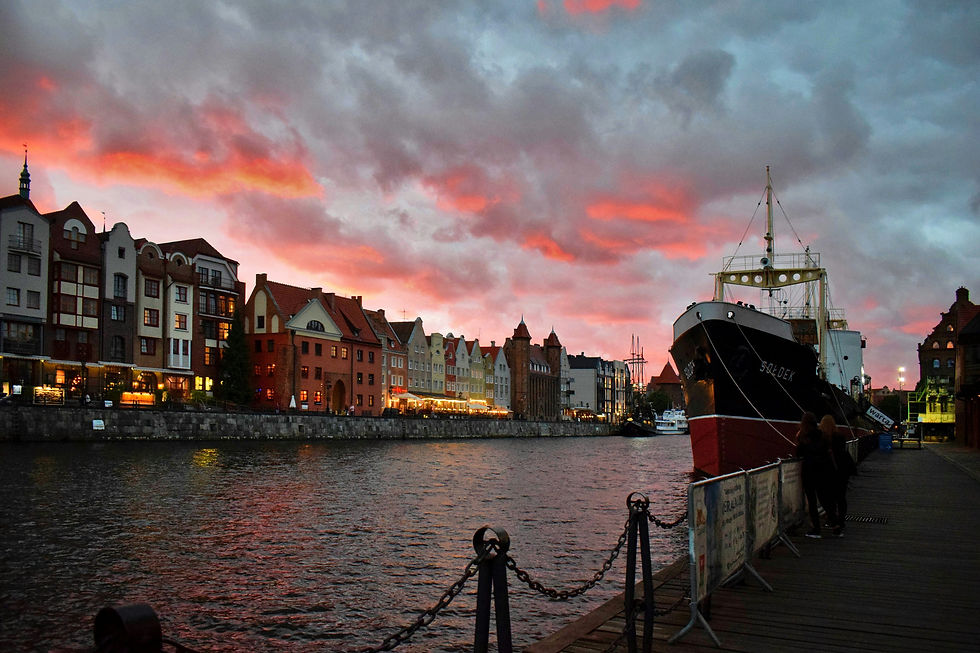
Your Complete Gdańsk Travel Guide
Gdańsk is one of those cities that immediately makes you wonder why you hadn't heard more about it. It sits on the Baltic coast, at the mouth of the Vistula River, and for centuries it was one of the most important trading ports in Europe. The architecture is extraordinary, the food is traditional, and the history is layered in a way that takes time to fully appreciate.
It is also the city where the Second World War began, and where the movement that eventually brought down communism in Poland was born. All of this in a place that most travelers skip in favor of Warsaw or Kraków.
If you're planning a trip to Gdańsk or wondering whether it deserves a place on your Poland itinerary, this guide has everything you need. From the city's must-see attractions and hidden gems to the best places to eat and practical travel tips, you'll find everything you need to make the most of your visit.
Table of Contents
Why Visit Gdańsk?
Gdańsk is historically significant in a way that goes beyond most European cities. This is where the first shots of the Second World War were fired, at the Westerplatte peninsula, in September 1939. It is also where Lech Wałęsa and the Solidarity trade union launched a movement from the shipyards in 1980 that would eventually bring down communist rule across Eastern Europe. Two of the most defining moments of the 20th century happened here, within walking distance of each other.
Beyond the history, Gdańsk is simply beautiful. The Old Town was almost entirely destroyed in 1945 and rebuilt brick by brick in the decades that followed. It sounds like it should feel artificial, but it doesn't. The colored merchant houses along the waterfront, the cobbled streets, the Gothic churches all feel genuinely alive and lived in.
The food scene draws on Polish tradition but also on the city's coastal identity and Kashubian regional heritage. You eat differently in Gdańsk than you do in the rest of Poland.
If you are already visiting Warsaw or Kraków, Gdańsk is worth the journey. If you are planning a trip to Poland, it deserves to be on your list.

How to Get to Gdańsk
By Train (Recommended)
Direct trains connect Warsaw with Gdańsk Główny station. The journey takes approximately 3 hours by express train and runs frequently throughout the day. You can book in advance online for better prices, though walk-up tickets are also available at the station. From Kraków, the journey is around 5–6 hours with a change in Warsaw.
By Plane
Gdańsk Lech Wałęsa Airport (GDN) is well connected with major European cities. From the airport, you can take the bus directly to the city centre in around 30–40 minutes. It is an easy and affordable connection.
By Car
If you are driving from Warsaw, the journey takes around 3.5 hours. There is parking available near the Old Town, but the historic centre itself is only for pedestrians, so you will be walking from wherever you leave the car.
The train is almost always the best option. It drops you centrally, is stress-free, and the Polish rail network is more comfortable than most visitors expect.
The Perfect One-Day Itinerary in Gdańsk
Morning: 9:00 – 12:30
Start at Długi Targ, the Long Market, the wide pedestrian boulevard at the heart of the Old Town. This is where you will find Neptune's Fountain, the Artus Court, and the coloured merchant facades that define Gdańsk's skyline.
Walk from here toward St. Mary's Basilica, one of the largest brick churches in the world, and well worth going inside. If you have the energy, climb the 400 steps to the top of the tower for panoramic views over the city.
After the church, walk along Mariacka Street, Gdańsk's most charming lane, lined with amber jewellery shops and old stone steps, and continue to the Motława waterfront.
Lunchtime: 12:30 – 14:00
Find a traditional restaurant one or two streets back from the main tourist strip. Try a bowl of żurek (sour rye soup) followed by pierogi with a variety of fillings. It is a meal that deserves to be enjoyed slowly, so take your time.
Afternoon: 14:00 – 17:00
Cross to Granary Island (Wyspa Spichrzów) via the footbridge for views back across the river to the Old Town.
Then make your way to the European Solidarity Centre, a genuinely moving and well-designed museum about the Solidarity movement and the end of communism in Poland. Allow at least 90 minutes here.
Evening: 17:00 onwards
Return to the waterfront for a drink at one of the riverside bars. Watch the light change on the coloured facades as the sun drops.
If you are staying overnight, the area around Piwna Street comes alive with restaurants and bars in the evening.
This itinerary is flexible. Gdańsk rewards slow walking and unplanned stops. If something catches your eye, follow it.

Top Things to See in Gdańsk
Długi Targ (Long Market)
The Long Market is the spine of the Old Town, running from the Golden Gate to the Green Gate at the river. It was the main commercial street of the medieval city, and it still has that energy.Walk it slowly and stop to appreciate the merchant house facades. They are extraordinary.
Neptune's Fountain
Right in the centre of the Long Market, Neptune's 17th-century bronze statue has been standing here since 1633. During the Second World War it was removed and hidden to protect it before returning in 1954. There is a local legend that Goldwasser, the city's famous gold-flecked liqueur, was created when Neptune struck the fountain in anger and gold coins dissolved in the water. A fun story whether you believe it or not.
St. Mary's Basilica (Bazylika Mariacka)
One of the largest brick Gothic churches in the world, and the most important monument in Gdańsk. It can hold 25,000 people. During Poland's martial law period in the 1980s, it became a sanctuary for members of the Solidarity movement. Go inside to see the 15th-century astronomical clock. Climb the tower if you want the best view in the city. Tip: Visit the astronomical clock around noon when it is most active.
Mariacka Street
Often called the most beautiful street in Gdańsk.
It runs from St. Mary's Basilica down to the river, lined with tall Gothic townhouses, stone steps, and gargoyle details. The ground floors are almost entirely amber jewellery shops. Worth walking slowly in both directions.
The Crane (Żuraw)
The medieval wooden crane on the Motława riverbank is one of the most distinctive landmarks in northern Poland. It was used to load and unload merchant ships from the 15th century onwards, and workers powered it by walking inside giant wooden wheels. Today it is part of the National Maritime Museum. The view from the opposite bank is one of the best in the city.
European Solidarity Centre
The most important museum in Gdańsk, and one of the best in Poland.
It tells the story of the Solidarity movement that began in the shipyards next door in 1980 and the broader struggle for freedom across Eastern Europe. Even if you know the history, the exhibition is worth the time. Allow 1.5–2 hours.
Westerplatte
A 30-minute bus ride from the centre, Westerplatte is where the Second World War began on 1 September 1939, when a German battleship opened fire on the Polish military garrison here. The ruins of the barracks still stand. It is a sobering and powerful place, and worth the trip if you have extra time or want a deeper connection to the city's wartime history.
Where to Eat and What to Try in Gdańsk
Gdańsk sits on the Baltic coast, at the edge of the Kashubian region, and its food reflects both of those identities. You will find more fish on menus here than in Warsaw or Kraków, and more influence from the Kashubian countryside just to the west.
Dishes to Try
Żurek (Sour Rye Soup)
Poland's most iconic soup: made from fermented rye flour and served with white sausage, boiled egg, and horseradish. Tangy, warming, and deeply comforting.
In Gdańsk you will sometimes find it served inside a hollowed-out bread roll. Start almost any traditional meal with this.
Pierogi
Boiled or pan-fried dumplings with a range of fillings: potato and cheese (ruskie), meat, mushroom and sauerkraut, or sweet versions with fruit.
Every restaurant has its own version. Try several fillings across your visit rather than ordering the same one twice.
Kashubian Pierogi
The regional twist: pierogi stuffed with smoked fish, buckwheat, or smoked meat, topped with butter-fried onions.
The Kashubian region sits just west of Gdańsk and has its own culinary identity. These are heartier and more distinct than the standard Polish version.
Herring (Śledź)
As a port city, Gdańsk has always eaten a lot of herring.
You will find it marinated in oil with onions, in a cream sauce with apple, or served cold alongside dark rye bread and pickles.
The traditional way to eat it: with a shot of chilled Polish vodka.
Placki Ziemniaczane (Potato Pancakes)
Grated potato, onion, and egg, fried until the outside is crisp and the inside stays soft.
Served with sour cream or apple sauce. A simple, cheap, and very satisfying lunch option.
Bigos (Hunter's Stew)
A slow-cooked stew of sauerkraut, fresh cabbage, and various meats.
It is one of those dishes that tastes better the longer it cooks, and Polish grandmothers will tell you it improves for days.
Rich, filling, and very traditional.
Piernik (Gdańsk Gingerbread)
Less sweet and more heavily spiced than the more famous Toruń version, Gdańsk gingerbread is often glazed with honey and decorated in traditional patterns.
A good souvenir from any local bakery, and an excellent afternoon snack with coffee.
Goldwasser Liqueur
The city's most famous drink: a herbal liqueur flecked with tiny pieces of 22-carat gold leaf, made in Gdańsk since the 16th century.
Try it at any bar in the Old Town and you are drinking something that has been produced here for nearly 500 years.
Where to Eat
The best strategy in Gdańsk is to walk one or two streets away from Długi Targ before sitting down to eat. The restaurants right on the main square are fine, but prices are higher and the atmosphere is more tourist-facing.
The streets around Świętego Ducha and Piwna have good options that are more local in character.
For pierogi specifically, look for a pierogarnia: a restaurant dedicated entirely to dumplings. Several operate in and around the Old Town, ranging from very traditional to more creative and experimental.
For a milk bar (bar mleczny): these no-frills canteens serve simple, home-style Polish food at low prices and have been a fixture of Polish cities since the communist era. Finding one a short walk from the tourist centre is one of the best ways to eat as locals actually eat.
If you want to explore Gdańsk's food culture with a local guide who can take you to the right places and explain what you are eating, our Gdańsk Food Tour covers traditional dishes, local drinking culture, and the stories behind the food the same way our tours do in Warsaw and other cities across Europe.

Local Tips and Hidden Gems
Walk Both Sides of the Motława River
Most visitors stay on the Old Town side, but the view back from Granary Island across the water to the coloured facades is one of the best in the city. Worth crossing the footbridge.
Go Early to St. Mary's Basilica
Before tour groups arrive in the late morning, the church is a genuinely peaceful place. The light through the 37 windows is best in the morning too.
Don't Skip Mariacka Street After Dark
The street is lit beautifully in the evening and is far quieter than during the day. A completely different atmosphere.
Amber Shopping Tip
Gdańsk is the world's amber capital and you will see it everywhere. Prices and quality vary enormously. For more reliable quality, look for shops that are members of the International Amber Association, or ask sellers to show you a heating test (real amber produces a piney smell when warmed slightly, fake resin does not).
Explore the Tri-City
Gdańsk, Sopot, and Gdynia are all connected by a fast commuter train that runs every few minutes. Sopot, a former aristocratic spa town with Europe's longest wooden pier and a beach is only 20 minutes away and makes an excellent half-day addition if you are staying overnight.
Wear Comfortable Shoes
The Old Town streets are cobbled and uneven, with more uphill sections around St. Mary's and the castle hill than first-time visitors expect. Gdańsk is very much a walking city.
Frequently Asked Questions
Is Gdańsk Worth Visiting?
Yes, very much. It is one of the most historically significant, visually striking, and underrated cities in Central Europe. It gets far fewer visitors than Warsaw or Kraków despite having comparable history and beautiful architecture.
How Many Days Do You Need in Gdańsk?
You can cover the main highlights comfortably in one full day. Two days allows you to go deeper: Westerplatte, the Tri-City day trip to Sopot and Gdynia, and more time in the museums. Three days gives you a genuinely relaxed experience with room for the surrounding region.
What Is Gdańsk Most Famous For?
Gdańsk is famous for three things: its Hanseatic merchant history and extraordinarily preserved Old Town, its role as the starting point of the Second World War (at Westerplatte), and as the birthplace of the Solidarity movement in 1980. It is also known as the world's amber capital.
When Is the Best Time to Visit Gdańsk?
Late spring and early summer (May–June) offer the best combination of good weather, long days, and manageable crowds. July and August are warmer but busier. September and October are excellent for quieter streets and beautiful autumn light. December brings Christmas markets and a cosy atmosphere despite the cold.
Is Gdańsk Easy to Get Around on Foot?
The Old Town is very compact and walkable. Most of the main sights are within 20–30 minutes of each other on foot. For Westerplatte, the bus takes around 30 minutes from the centre.
Conclusion
Gdańsk is one of those rare cities where history, food, and architecture all land at once, and where you leave feeling like you understood something about Europe that you hadn't quite grasped before.
It is not a city that performs for tourists. It is a city that has its own identity, its own story, and its own pace, and it rewards visitors who show up with some curiosity and enough time to slow down.
If Gdańsk is on your Poland itinerary and you want to explore the food and culture with a local guide, take a look at what we are doing there on our Gdańsk page. And follow us on Instagram @thewalkingparrot for more guides, hidden gems, and travel inspiration from across Europe.


Comments