The Hidden Costs of ‘Free’ Walking Tours in Europe (And What You’re Actually Paying For)
- John Teye
- 4 hours ago
- 3 min read
Europe is full of “free” walking tours, and the phrase itself is tantalizing: no upfront fee, a casual meet-up in a city square, and an easy way to check off the main sights. But here’s the catch—free doesn’t mean without cost. In fact, if you’re not paying attention, you might be spending far more than you think—just not in cash.
In this post, we’ll unpack what you’re really paying for when you join a “free” tour, and why booking a professional, paid tour might save you time, stress, and even money in the long run.
Discover with us
Your Time Is Money (Even if It Feels Free)
Free tours often last 2–3 hours and stick to major landmarks. While that seems convenient, they can consume valuable time if you’re on a tight travel schedule. You might spend your morning waiting for latecomers, navigating crowds, or listening to a guide whose knowledge is inconsistent. That’s hours you could have spent exploring hidden gems, sampling local food, or visiting smaller museums that truly define the city.
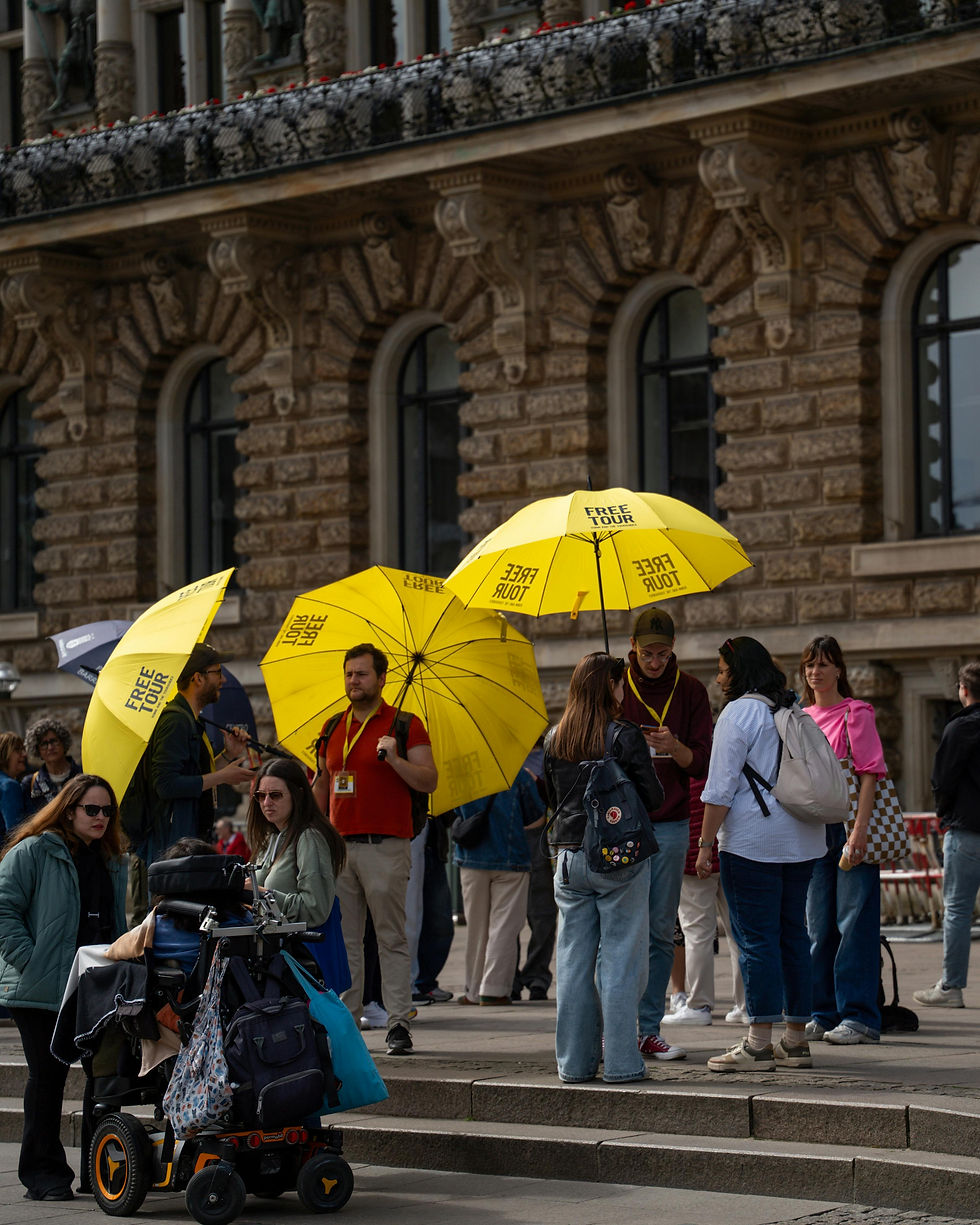
Tip Pressure: The Silent Fee
“Free” tours rely on tips for the guide’s income. And here’s the hidden twist: you’re expected to pay what the guide implicitly values their work at. Most travelers feel social pressure to tip generously, which can easily turn a “free” tour into a €20–€50 expense per person—sometimes more than a professional, small-group paid tour.

Limited Insight vs. Expert Knowledge
Many free-tour guides are enthusiastic students or casual history buffs. While enthusiasm is valuable, the depth and accuracy of the information may vary. Paid tours, by contrast, are often led by trained, licensed guides who provide verified stories, cultural context, and insider tips that you can’t get from Wikipedia or a smartphone app.

Group Size and Attention
Free tours can swell to 20–50 people during peak season, turning your personal experience into a crowd-wrangling exercise. Small paid tours keep numbers limited, allowing individual questions, photo stops, and personalized pacing—which means you get more value for your time and money.

Opportunity Cost
Every “free” tour you take is an opportunity you forgo for other unique experiences. You may miss curated local experiences, boutique museum tours, or hidden cafés—all of which often require a paid guide. Ironically, paying upfront for a quality tour often maximizes value and reduces stress, giving you a more memorable experience than a “free” alternative.

💡 Bonus Tip: Consider hybrid approaches: take one free tour for a quick overview, then invest in a paid specialty tour (like culinary or photography-focused walks) to dive deeper.
Final Thought
Next time you’re in Lisbon, Rome, or Prague, remember: “free” tours come with hidden costs of time, pressure, limited insight, and missed opportunities. Investing in a professional, small-group tour may cost upfront, but it ensures richer storytelling, personalized attention, and a seamless experience that truly immerses you in the city. In other words, you’re not just paying for a tour—you’re paying for expertise, convenience, and unforgettable memories. Let the journey feel as good as the destination. Stay tuned for more travel tips, hidden gems, and inspiration right here on our website. Follow us on our instagram @thewalkingparrot to be continuously updated on new releases. We will be back soon with a new article!


Comments