Wine in Porto: Discovering the Soul of the City through a glass
Porto is a city that leaves a strong impression from the very first moment. With its tiled facades, steep streets, river views, and old-world atmosphere, it already feels special before you even sit down for your first drink. But to truly understand Porto, you have to understand its connection to wine. In this city, wine is not just something you order with dinner. It is part of the culture, the history, and the identity of the place.
When people think of Porto and wine, Port wine is usually the first thing that comes to mind. This famous fortified wine has made the city known all over the world, and for good reason. Rich, sweet, and full of character, Port wine tells the story of trade, tradition, and craftsmanship. Although the grapes are grown in the nearby Douro Valley, Porto became the city where the wine was stored, aged, and exported, creating a bond that still defines the city today.
Wine also pairs beautifully with Porto’s food culture. Traditional dishes like francesinha, grilled meats, codfish, and local cheeses all take on a different dimension when enjoyed with the right wine. Even a simple evening of petiscos and a good Portuguese red can feel like a full cultural experience. In Porto, food and wine go hand in hand, and together they tell a story about the city’s generosity and love of sharing. So if you are planning a visit, don’t hesitate to take a look at the Wine Tour in Porto lead by The Walking Parrot guides. Sit down, take your time, and enjoy a glass in one of the world’s most charming wine cities.
In This Guide You Will Discover:
1. The History of Port Wine and its connection to Porto
Port wine is one of the most famous products associated with Porto, and its history is deeply connected to the identity of the city. Although, the grapes used to make Port are grown in the Douro Valley, then Porto became the place where the wine was stored, aged, and later exported to other parts of the world. Over time, the city developed a strong commercial relationship with wine, helping Port become one of Portugal’s best-known exports.
One of the most important areas in this story is Vila Nova de Gaia, located just across the
river from Porto. For centuries, wine barrels were transported down the Douro River and brought to Gaia, where the cooler, more stable climate made it a good place for aging wine. This is why so many historic Port wine cellars are still found there today. Walking along the waterfront, you can still feel the legacy of this trade in the architecture, the boats, and the names of famous wine houses.
The story of Port wine is also tied to international trade, especially with Britain, which played a major role in making the wine popular abroad. Port became a symbol of quality, tradition, and craftsmanship, and Porto grew in importance because of it. Today, learning about Port wine is also a way of learning about the city itself. Its wine history is not just something from the past — it still shapes the atmosphere, economy, and cultural image of Porto today.

2. Different types of Port Wine you should know
For many travelers, Port wine may seem like just one drink, but there are actually several different styles, each with its own character. One of the most common types is Ruby Port, which is known for its rich color, fruity flavor, and youthful style. It is often the easiest introduction to Port because it feels bold, sweet, and approachable. Ruby Port is usually full of notes like red berries, cherries, and plums, making it enjoyable even for people who are not wine experts.
Another important style is Tawny Port, which is aged longer in wooden barrels and develops a smoother, nuttier, more complex flavor. Instead of bright fruitiness, Tawny Port often has notes of caramel, dried fruits, figs, and toasted nuts. It is elegant, slightly softer, and often seen as a more refined option. Some Tawny Ports are labeled with ages such as 10, 20, or 30 years, which gives travelers a simple way to understand how the wine has developed over time.
There is also White Port, which many visitors are surprised to discover. Made from white grapes, it can range from dry to sweet and is often served chilled, sometimes even in cocktails. Then there are Vintage Ports, which are more special and often considered the most prestigious style. These wines are made from exceptional harvests and are known for their depth and aging potential. Understanding these different types makes wine tasting in Porto much more interesting, because each glass offers a different side of the city’s wine culture.

3. Where to experience Wine culture in Porto
One of the best things about Porto is that wine culture is not hidden away — it is part of the city’s everyday atmosphere. A great place to begin is Vila Nova de Gaia, where many of the most famous wine cellars are located. Here, visitors can tour historic lodges, learn about the production of Port wine, and enjoy tastings with views over the Douro River. It is one of the most classic wine experiences in the city and a natural starting point for anyone wanting to understand Porto’s relationship with wine.
Beyond the traditional cellars, Porto also has a growing number of modern wine bars and tasting spaces. These places often focus not only on Port wine, but also on Portuguese reds, whites, and natural wines from different regions of the country. They offer a more contemporary way to experience wine and often feel more relaxed and local. Instead of a formal tasting, you might simply enjoy a glass recommended by the staff while learning
more about Portuguese wine culture through conversation.
The setting also plays a huge role in the experience. Drinking wine in Porto often means sitting on a terrace, enjoying a riverside view, or discovering a cozy bar on a quiet side street. The city’s charm adds something special to the moment, making wine feel less like a lesson and more like part of the journey. Whether you prefer historic cellars or small local wine bars, Porto gives visitors many ways to enjoy wine in a memorable and meaningful setting.
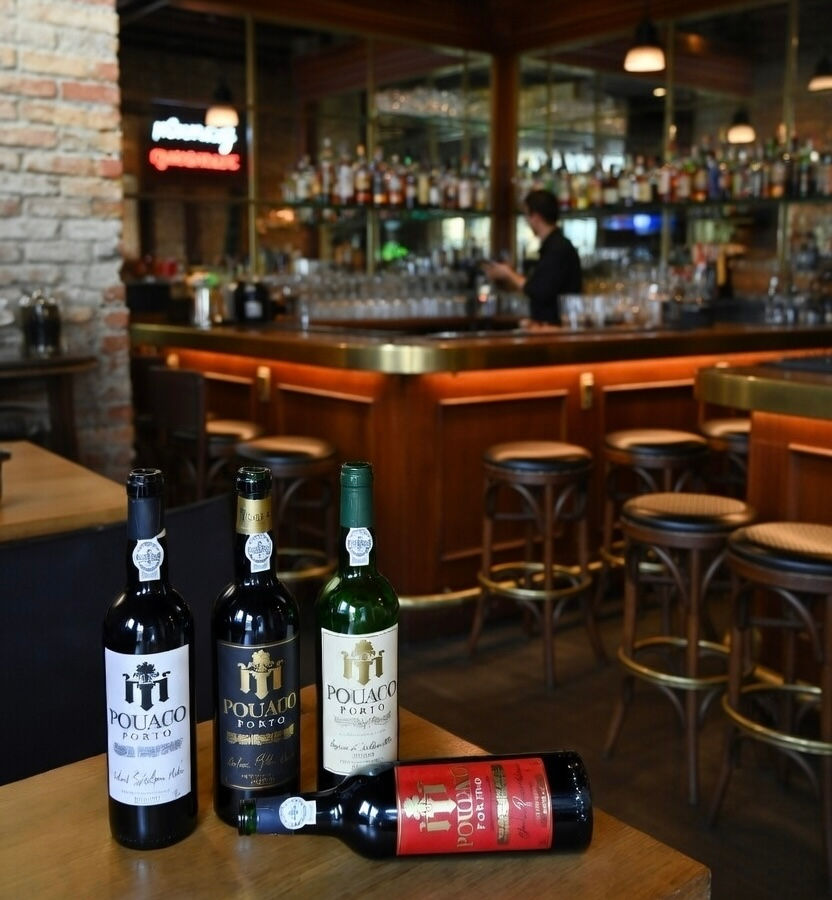
4. Portuguese Food and Wine pairings in Porto
Wine in Porto becomes even more enjoyable when it is paired with local food. Portuguese cuisine is rich, comforting, and full of strong flavors, which makes it perfect for wine pairing. Dishes such as grilled meats, codfish, cured ham, local cheeses, and slow-cooked stews all work beautifully with different Portuguese wines. In Porto, food and wine are not treated as separate experiences — they naturally come together as part of everyday culture.
A classic example is pairing a bold red wine with a hearty local dish like francesinha, Porto’s famous sandwich layered with meat, cheese, and sauce. For seafood dishes, many visitors enjoy fresh northern Portuguese whites, which bring balance and lightness to the meal. Salt cod, one of Portugal’s most iconic ingredients, can also be paired in different ways depending on how it is prepared. Even simple plates of olives, bread, and cheese can become something special when matched with the right glass of wine.
Port wine also has its place at the table, especially when it comes to dessert or cheese. Tawny Port pairs especially well with nuts, pastries, and richer sweet flavors, while Ruby Port can go well with chocolate-based desserts. Some people also enjoy Port with blue cheese or strong aged cheeses, creating a combination that feels both traditional and indulgent. Exploring these pairings in Porto is a great way to experience the city more deeply, because it shows how wine is woven into daily life, celebration, and hospitality.

5. Why Wine tasting in Porto is more than just drinking
Wine tasting in Porto is about much more than simply trying different drinks. It is a way to connect with the city’s history, people, and atmosphere in a more personal way. Every tasting has a story behind it — where the wine came from, how it was made, and why it matters to Porto. When visitors step into a wine cellar or sit down for a tasting, they are not just learning about flavor. They are stepping into a tradition that has shaped the city for generations.
What makes the experience even more special is the setting in which it happens. In Porto, wine is often enjoyed slowly, with conversation, good food, and beautiful surroundings. A glass of Port overlooking the Douro River or shared with friends in a cozy wine bar feels different from a quick tasting somewhere else. The city invites people to take their time, and that creates a stronger emotional connection to the experience. It becomes less about checking off an activity and more about enjoying a meaningful moment.
For many travelers, this is what makes Porto unforgettable. Wine tasting here feels cultural, social, and atmospheric all at once. It allows visitors to discover not only what Porto tastes like, but also what it feels like. The warmth of the city, the pride in its traditions, and the relaxed pace all come through in the wine experience. That is why tasting wine in Porto often becomes one of the highlights of a trip — it is not just about drinking, but about truly experiencing the city.
Questions:
What food is famous in Lisbon?
What kind of Porto is the most drink in Portugal?
Is Portuguese wines well-known in Europe?
We have reached the end of this article, if you’re planning any trips, be sure to check out our previous blogs for more tips on where to eat, drink, and explore but also our Wine Tour Porto. Stay tuned for more articles on our website. Follow us on our instagram @thewalkingparrot to be continuously updated on new releases and join us as we embark on new adventures. We will be back soon with a new article!!
Comments