Aveiro & Costa Nova: Why it's known as Portugal's Hidden Venice

Welcome to Aveiro, Portugal's enchanting hidden gem, that is known as "Portugals Hidden Venice". From breathtaking must-see landmarks to insider secrets shared by our guides, this comprehensive guide reveals everything you need to experience Aveiro like a true local. Whether you're planning just a weekend escape or seeking Portugal's authentic destination, let us show you why travelers fall in love with this magical city and never forget it.
Discover with us
Aveiro and Costa Nova
Portugal's Hidden Venice
Conclusion and more about Aveiro
Aveiro and Costa Nova
Aveiro, also known as the Hidden "Venice of Portugal" is a famous City nestled on Portugal's northern coast, near the Lagune Ria de Aveiro. Its famous for his charming canals and picturesque waterways. Aveiro offers an unforgettable experience that feels worlds away from crowded tourist hubs. Located just 45 minutes from Coimbra and easily accessible from Lisbon, it's the perfect destination for travelers seeking genuine cultural immersion and natural beauty.

Only 20 Minutes from Aveiro is one of the most vibrant City you will ever see. This City is famous for vibrant and colorful Houses, that are called Palheiros. Originally built as storage for fishing nets, they're now iconic symbols of the coast. Old Fisher Acommandations are now a famous Photo Motiv and Attraction for Hundret of People from all over the World.
Portugals Hidden Venice
One of the main reasons people call Aveiro the "Hidden Venice" is its canal system, which mirrors Venice's iconic water-based structure. These canals are the heart of the city and connect all the different districts with water. Just like in Venice, water is woven into the fabric of daily life.
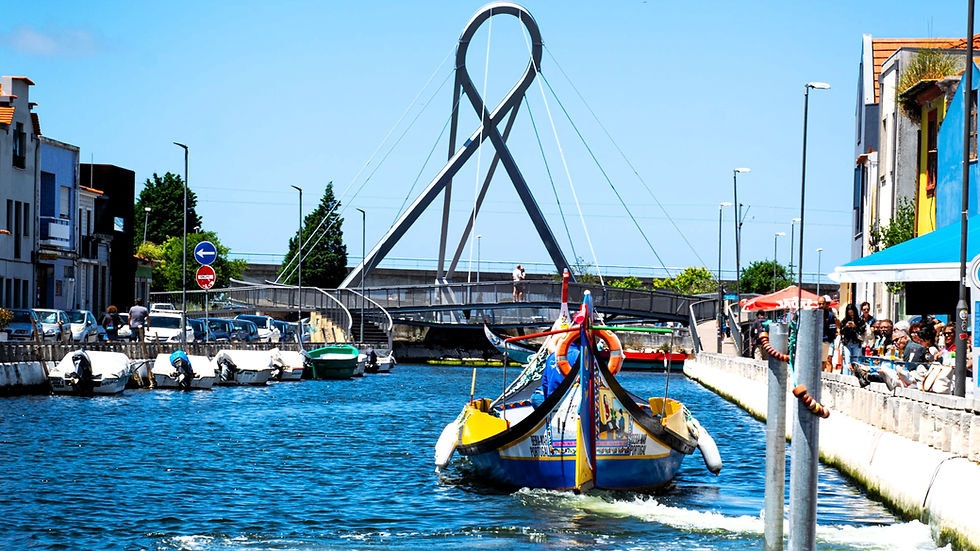
Transportation in Aveiro often relies on Moliceiros, traditional, flat boats with ornately painted prows in vibrant colors. These boats possess the same romantic character and charm as Venetian gondolas. Gliding through Aveiro's canals in a Moliceiro creates the same magical experience you'd find in Venice.
Like Venice, Aveiro boasts beautiful historic buildings standing directly on the water. The façades are reflected in the canals, creating stunning visual symmetry. There are colorful houses, elegant Art Nouveau architecture and narrow alleyways that evoke timeless charm.

Both cities histories are deeply connected to fishing and trade. Both are port cities with a profound connection to the sea. This shared history shapes the culture, cuisine, and identity of both places.
Of course, there are also differences between the two cities, as each has its own individual character and charm. But here's what makes Aveiro special: Aveiro is like Venice, but without the tourist masses and inflated prices. You get the romance, history, and magic for a fraction of the cost, paired with genuine, authentic Portuguese life all around you.
Food Culture
Aveiro's culinary scene is inseparable from its maritime heritage. This coastal city transforms fresh catches into unforgettable dishes and eating here it's about understanding the soul of Portugal.
Caldeirada de Aveiro
This iconic fish stew is Aveiro's signature dish. Multiple types of fresh fish, potatoes, onions, and spices simmer in a rich broth that tastes like the Atlantic Ocean itself. Order it at any tasca (traditional tavern) and pair with crusty bread.
Grilled Sardines (Sardinhas Grelhadas)
Fresh, simple and perfectly charred. Local fishermen land sardines daily and restaurants grill them whole with just sea salt and lemon.
Arroz de Marisco (Seafood Rice)
Similar to paella but distinctly Portuguese. Shrimp, clams, mussels and sometimes fish combine with short-grain rice in a savory broth.

Anguias à Aveirense (Eels Aveiro-Style)
A local delicacy. Fresh eels are fried until crispy and served with a garlic and white wine sauce. It's an acquired taste, but trying it is part of experiencing authentic Aveiro.
Pão de Aveiro (Aveiro Bread)
Local bakeries produce a distinctive crusty bread with a soft interior. Grab one fresh from a padaria in the morning and pair with cheese or cured meats for an authentic Portuguese breakfast.
Ovos Moles
These creamy, egg-based pastries wrapped in thin wafer are Aveiro's sweet signature. The name means "soft eggs," and the texture is silky. Buy them fresh from bakeries (padarias), not tourist shops. They're best eaten within 24 hours.

Want to experience even more in this Paradise. Book our Food Tour now and experience Aveiro like a real local. Get more Insider Tips. Eat at hidden gems and dip fully into the City.
Must See
Aveiro Railway Station
This historic building is famous for its beautiful blue Azulejo tiles that depict scenes from the region. A masterpiece of Portuguese design and history.
Ria de Aveiro & Canals: The Lagoon City
Often called the "Venice of Portugal," Aveiro's lagoon system is stunning. A ride on traditional Moliceiro boats, colorful wooden boats once used for seaweed harvesting, is a must-do experience.

Salinas de Aveiro: Traditional Salt Harvesting
Discover traditional salt production in the shallow basins of the lagoon. Learn how this ancient craft still shapes the landscape and local culture.
Take pictures and use our Hashtag #thewalkingparrot or tag us directly @thewalkingparrot we want to see your adventures!
Museu de Aveiro (Santa Joana)
Located in a former Dominican convent, this museum houses the ornate tomb of Princess Johanna (Santa Joana) and sacred art collections. A piece of Portuguese history and spirituality.
Praça do Peixe & Fish Market
This vibrant quarter along the canal is perfect for eating fresh Atlantic fish or enjoying the lively evening atmosphere. Where locals actually gather.

Insider Tips from our Guides
What do our local guides at The Walking Parrot share their authentic insider knowledge about Aveiro, the secrets only those who live and work here truly know.
Visit Aveiro in shoulder season (April–May or September–October) for mild weather and fewer crowds than summer tourists.
Explore the street art scene in the backstreets beyond the main tourist areas. Aveiro's emerging graffiti and mural culture tells stories of modern Portuguese life.
Shop at the fish market early morning and grab fresh catches to cook at your accommodation. Locals do this and it's an authentic experience.
Try the local tascas instead of touristy restaurants. Hidden gems. Look for tiny taverns on side streets where construction workers and fishermen eat. The food is authentic, portions are huge, and prices are €8–12. Ask locals for recommendations, they're proud of their spots.
Rent a bicycle to explore beyond the center. Aveiro's flat terrain is perfect for cycling, and you'll discover hidden canals and residential neighborhoods tourists never see. Rent shops are near the main train station.
Don't miss the Saturday farmers' market at Praça Humberto Delgado (if in town on weekends). Fresh produce, local honey, cheese, and handmade goods, this is where real Aveirians shop.
Visit the ceramics studios and ateliers in the historic quarter. Unlike shops, studios let you watch artisans work and often offer better prices. Look for "Cerâmica Artesanal" signs or ask at the tourism office.
Take a half-day trip to Ilhavo (10 min by train) to visit the Museu Marítimo (Maritime Museum). Fewer tourists know about it and it's exceptional for understanding Aveiro's fishing heritage.
Eat pastel de nata at a local bakery, not a café. Bakeries (padarias) serve them fresh and hot for €0.80–1.20, while cafés charge €2–3. Quality is identical, locals know the difference.
Conclusion
Aveiro is Portugal's hidden gem and rightly called "Venice's little sister." This charming coastal city captivates visitors with its iconic canal system, which forms the heart of the city and connects different districts through water. Aveiro fascinates with its hidden insider tips, as the fish market at early morning, traditional tascas (taverns) where locals eat, the Saturday Farmers' Market, and ceramic artist studios. The nearby Costa Nova with its characteristic striped houses (Palheiros) is a perfect day trip.
Here you experience authentic Portuguese life, where tradition is vibrant and every corner tells a story. The city seamlessly blends history with genuine community, fresh cuisine with warm hospitality and architecture with living culture.
That wraps this guide to Aveiro. Planning a trip to this beautiful City? Take a look at our other articles for more travel inspiration about this Paradise:
Ready to explore even more? Follow us on Instagram @thewalkingparrot for more hidden gems, travel tips and behind-the-scenes adventures!
FAQ
What's the best time to visit?
Spring (April-May) and Fall (September-October) are perfect for exploring Aveiro. Summer is warm and beautiful but crowded with tourists, especially in Costa Nova where beaches draw families. Winter is mild and quiet, perfect for those seeking solitude and authentic local experiences without the seasonal buzz.
Do I need a car?
No. Aveiro is walkable, and the train station is central, making it easy to navigate without a vehicle. Local buses connect to Costa Nova and nearby villages cheaply and reliably. Walking is actually the best way to explore, you'll discover hidden tiles, narrow alleyways and local cafés you'd miss from a car.
How long should I stay?
1-2 days is enough for Aveiro and a Costa Nova day trip. Two days is ideal if you want to relax, explore neighborhoods beyond the tourist center, experience the evening paseo and linger over meals like locals do.
Is Aveiro touristy?
Less touristy than Lisbon or Porto, but it's definitely growing in popularity, especially among travelers seeking authentic alternatives. The old town remains genuinely Portuguese, with real locals running tascas and shops and the everyday rhythms of community life still intact. Costa Nova is more touristy with its striped houses and beach restaurants, but it still feels real and hasn't been completely commercialized.
Can solo travelers enjoy Aveiro?
Absolutely. It's small, walkable, safe and full of solo-friendly cafés and restaurants where sitting alone with a coffee or wine is completely normal and encouraged. The city is perfect for quiet exploration, people-watching from canal-side benches and spontaneous conversations with locals at markets or tascas.


Comments