Portugal's Sunlit Capital: A Complete Travel Guide to Lisbon
Planning a trip to Lisbon? Discover the best attractions, neighborhoods, food, day trips, travel tips, and hidden gems in this complete Lisbon travel guide for tourists.
Lisbon is one of Europe's most captivating cities—a place where colorful streets, historic neighborhoods, ocean breezes, and world-class cuisine come together to create an unforgettable destination. Built across seven hills overlooking the Tagus River, Portugal's capital blends centuries of history with a vibrant, modern atmosphere. Whether you're planning your first visit or returning to explore more, Lisbon offers something for every traveler.

This guide covers six essential topics to help you make the most of your trip.
1. Discover Lisbon's Historic Neighborhoods
One of the best ways to experience Lisbon is simply by wandering through its distinctive neighborhoods.
Start in Alfama, the city's oldest district. Its narrow cobblestone streets, whitewashed houses, and flower-filled balconies create an authentic atmosphere that has survived earthquakes and centuries of change. As you stroll through the maze-like alleys, you'll find hidden cafés, traditional restaurants, and spectacular viewpoints overlooking the city.
Next, visit Baixa, Lisbon's elegant downtown area. Rebuilt after the devastating 1755 earthquake, its wide streets, grand squares, and impressive architecture make it an ideal place for shopping, dining, and sightseeing.
Head uphill to Chiado, known for its historic bookstores, theaters, stylish boutiques, and charming cafés. It's the perfect neighborhood for enjoying coffee while watching city life unfold.
For nightlife, Bairro Alto transforms after sunset. During the day, it's quiet and picturesque, but in the evening its streets fill with locals and visitors enjoying music, bars, and lively conversation.
Finally, don't miss Belém, located west of the city center. This riverside district celebrates Portugal's Age of Discovery with iconic monuments and beautiful gardens.
2. Must-See Attractions
Lisbon is packed with landmarks that tell the story of Portugal's rich maritime history.
The Belém Tower, standing proudly beside the Tagus River, once protected the city's harbor and is now one of Portugal's most recognizable monuments.
Nearby, the Jerónimos Monastery showcases breathtaking Manueline architecture. Its intricate stone carvings and peaceful cloisters make it one of Lisbon's architectural masterpieces.
The Monument to the Discoveries honors the explorers who helped shape Portugal's global influence during the 15th and 16th centuries.
Take a ride on the famous Tram 28, which winds through many of Lisbon's oldest neighborhoods. While often crowded, it's one of the most scenic public transport routes in Europe.
Another unforgettable experience is riding the Santa Justa Lift, an elegant iron elevator connecting lower and upper parts of the city while offering beautiful panoramic views.
For sweeping vistas, visit one or more of Lisbon's many miradouros (viewpoints), including Miradouro da Senhora do Monte, Miradouro de Santa Luzia, and Miradouro de São Pedro de Alcântara.
3. Taste the Flavors of Lisbon

Portuguese cuisine is comforting, fresh, and deeply rooted in tradition.
No visit is complete without trying the famous Pastel de Nata, a creamy custard tart with a flaky pastry shell. Enjoy one warm with a sprinkle of cinnamon and powdered sugar.
Seafood plays a starring role in Lisbon's culinary scene. Grilled sardines are especially popular during summer festivals, while octopus, codfish (bacalhau), shrimp, and clams appear on menus throughout the city.
If you're adventurous, sample Bacalhau à Brás, a delicious mixture of shredded cod, onions, potatoes, eggs, and parsley.
Visit Time Out Market to taste dishes from some of Lisbon's top chefs alongside traditional Portuguese favorites.
Pair your meal with Portuguese wine or a glass of Ginjinha, a sweet cherry liqueur served in small bars throughout the city.
Finish the evening by enjoying dinner accompanied by live Fado music, Portugal's soulful musical tradition expressing longing, love, and nostalgia.
4. Day Trips Worth Taking
Lisbon serves as an excellent base for exploring central Portugal.
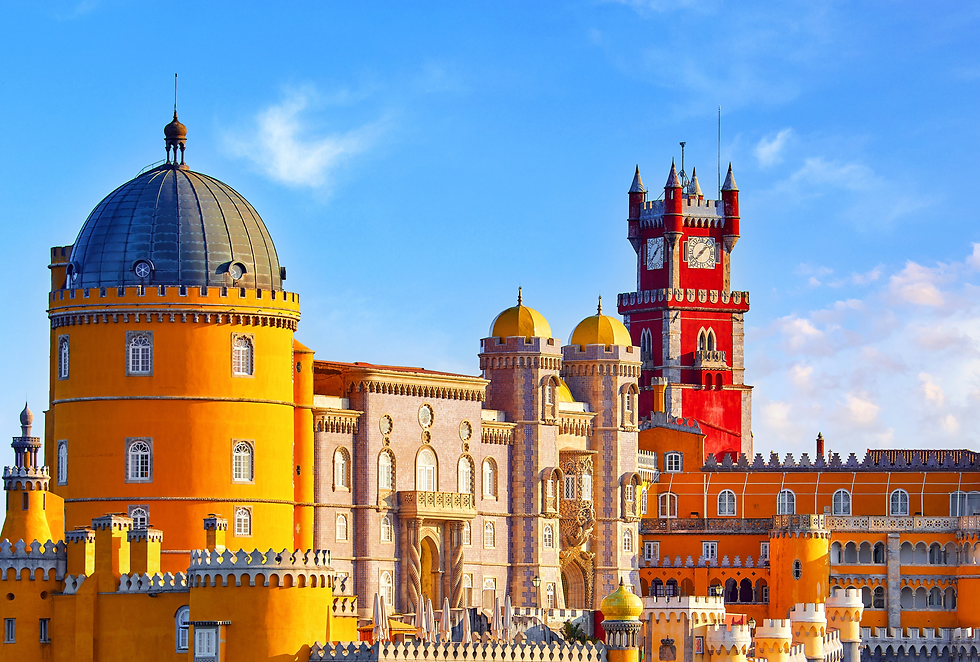
The fairy-tale town of Sintra, only about 40 minutes away by train, is famous for colorful palaces, mysterious gardens, and lush forests. Highlights include Pena Palace, Quinta da Regaleira, and the Moorish Castle.
For beach lovers, Cascais offers sandy beaches, seafood restaurants, and a relaxed coastal atmosphere. Rent a bicycle or stroll along the scenic waterfront.
Adventure seekers can visit Cabo da Roca, the westernmost point of mainland Europe. Standing atop dramatic cliffs overlooking the Atlantic Ocean is an unforgettable experience.
Wine enthusiasts may enjoy exploring the nearby Setúbal region, known for vineyards, fresh seafood, and beautiful natural parks.
Each destination is easily accessible by train, bus, or organized tours, making them perfect day trips from Lisbon.
5. Practical Travel Tips
Planning ahead can make your Lisbon experience smoother and more enjoyable.
The best times to visit are spring (March to May) and autumn (September to October), when temperatures are pleasant and crowds are smaller.
Lisbon's hills can be steep, so comfortable walking shoes are essential. Expect plenty of uphill climbs and cobblestone streets.
Purchase a rechargeable public transport card to save money on trams, buses, metro rides, and some ferries.
If you want to ride Tram 28, try boarding early in the morning to avoid long queues.
Many museums close on Mondays, so check opening hours before planning your itinerary.
English is widely spoken in tourist areas, although learning a few Portuguese phrases such as "Olá" (Hello), "Obrigado" (Thank you, for men), or "Obrigada" (Thank you, for women) is always appreciated.
Portugal generally uses contactless payments, but carrying a small amount of cash is helpful for local markets and smaller establishments.
6. Hidden Gems and Local Experiences
While Lisbon's famous attractions deserve attention, some of the city's greatest pleasures are found off the beaten path.
Explore LX Factory, a former industrial complex transformed into a creative hub filled with independent shops, art galleries, restaurants, and street art.
Browse the Feira da Ladra flea market for antiques, handmade crafts, vintage clothing, and unique souvenirs.
Watch the sunset from a riverside promenade while locals gather to relax, exercise, or enjoy live music.
Visit neighborhood bakeries instead of only famous tourist spots—you'll often discover excellent pastries with shorter lines.
Ride one of Lisbon's historic funiculars, including the Glória, Bica, or Lavra, which climb the city's steep hills and provide charming photo opportunities.
Finally, take your time. Lisbon rewards slow travel. Sit at an outdoor café, listen to church bells echo through ancient streets, admire colorful tiled buildings, and embrace the
city's relaxed pace of life.
Final Thoughts
Lisbon is a destination that effortlessly combines history, culture, gastronomy, and natural beauty. From riding vintage trams through centuries-old neighborhoods to tasting freshly baked pastries and watching the sun set over the Tagus River, every corner of the city tells a story.
Whether you're spending a weekend or a full week exploring Portugal's capital, Lisbon offers experiences that are both memorable and authentic. Its welcoming atmosphere, rich heritage, and laid-back lifestyle make it one of Europe's most rewarding cities to discover. Pack comfortable shoes, bring your curiosity, and prepare to fall in love with one of the continent's most enchanting destinations. Check out our other blogs about Porto, Bologna, Wroclaw and many more other cities!
FAQs:
What is Lisbon famous for?
Lisbon is known for its historic neighborhoods, colorful tiled buildings, iconic yellow trams, scenic viewpoints, delicious seafood, and traditional Fado music.
When is the best time to visit Lisbon?
The best time to visit is during spring (March–May) and autumn (September–October), when the weather is pleasant, crowds are smaller, and outdoor attractions are enjoyable.
How many days should I spend in Lisbon?
A stay of 3–4 days is ideal for exploring the city's main attractions, including historic districts, museums, viewpoints, and nearby destinations like Sintra.
Is Lisbon an expensive city to visit?
Lisbon is generally more affordable than many other Western European capitals. Visitors can find budget-friendly accommodations, public transportation, and dining options, alongside luxury experiences.


This article was a pleasant surprise. I expected a basic overview, but the author actually provided detailed information and useful suggestions. I liked the straightforward writing style and the practical examples. The content feels genuinely helpful rather than repetitive. I will definitely remember some of the points discussed here. Thanks for sharing this valuable resource. การ์ดแต่งงาน