Bologna: The Hidden Italian City Packed With Food, Culture & History
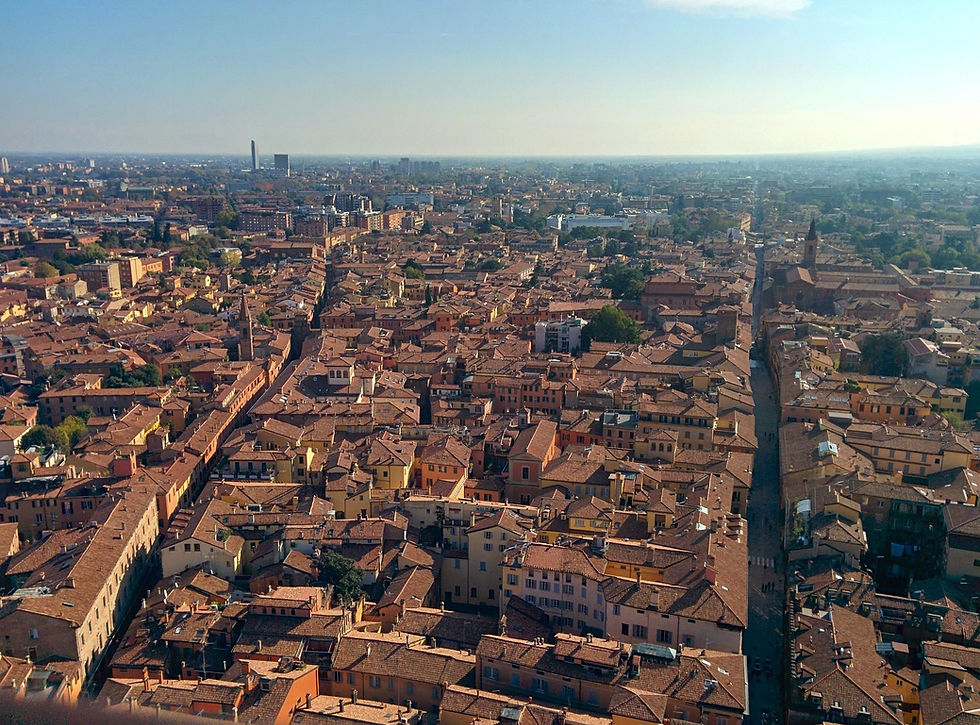
Bologna is one of those cities that quietly steals your heart. It doesn’t shout for attention like Rome or pose for postcards like Venice. Instead, it invites you in slowly through the warm glow of its endless porticoes, the smell of simmering ragù drifting from trattorias, and the hum of student life echoing through medieval streets. For travellers seeking authenticity, depth, and flavour, Bologna is Italy’s most underrated gem. It’s a city where you can wander without a plan, eat without disappointment, and discover a version of Italy that feels lived‑in, local, and real. Unlike Italy’s more famous destinations, Bologna doesn’t rely on grand monuments or dramatic coastlines to impress. Its charm lies in atmosphere, lifestyle, and the simple pleasure of walking through streets that have been loved for centuries. This guide explores why Bologna deserves a top spot on your travel list, from its architecture and history to its food culture, neighbourhoods, and experiences that make it unforgettable.
DISCOVER WITH US:
1. The Soul of Bologna: A City Built on Warmth, Bricks, and Porticoes
Bologna’s identity is written in red brick. Nicknamed La Rossa (“The Red One”), the city glows with terracotta rooftops, medieval towers, and Renaissance palaces. But its most iconic feature is the portico a covered walkway that stretches for more than 62 kilometers, making Bologna the city with the longest network of porticoes in the world. Walking under these arches is like stepping into a living museum. Every curve, column, and shadow tells a story. Some porticoes are elegant and refined, others rustic and worn, but all of them create a sense of intimacy and continuity. They protect you from rain, sun, and crowds, guiding you through the city like a warm embrace.
The porticoes are not just architectural elements; they are part of Bologna’s social fabric. Locals meet under them, students gather to chat, and travellers find shelter from sudden rain. They create a rhythm in the city, a gentle pulse that accompanies you as you explore. In 2021, Bologna’s porticoes were added to the UNESCO World Heritage List, a recognition that finally put this architectural wonder on the global map. Yet even with this honour, Bologna remains surprisingly under‑visited—making its beauty feel even more special. Walking through these arches at sunset, when the light turns golden and the city glows, is one of the most magical experiences you can have in Italy.

2. A City That Breathes History Without Feeling Frozen in Time
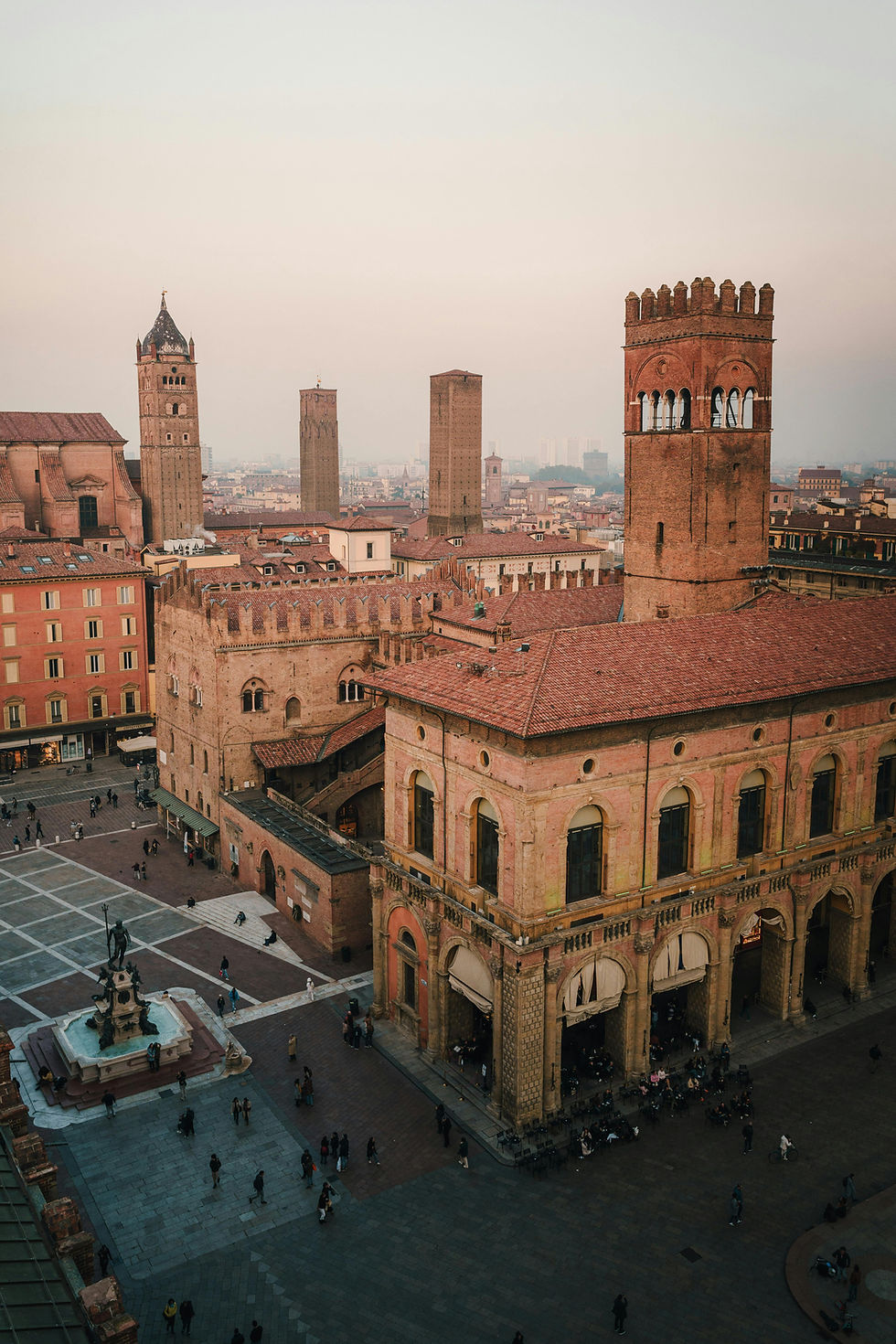
Bologna is one of Europe’s oldest cities, and you feel it everywhere. Medieval towers lean over narrow streets, Renaissance churches hide frescoes that rival Florence, and ancient markets still sell produce like they did centuries ago. But unlike other historic cities, Bologna doesn’t feel like a museum. It feels alive. The city’s history is not locked behind glass; it’s lived daily by locals who shop in centuries‑old markets, study in medieval halls, and gather in piazzas that have hosted public life for generations.
The University of Bologna, founded in 1088, is the oldest in the world, and its presence gives the city a youthful, intellectual energy. Students fill the piazzas, bars, libraries, and cafés, creating a dynamic contrast with the ancient architecture around them. This mix, old stones and young minds, is one of Bologna’s most charming qualities. It’s a city where tradition and modernity coexist naturally, where you can admire a medieval tower and then walk into a trendy café filled with students discussing philosophy, art, and politics.
The Asinelli and Garisenda towers, built in the 12th century, are Bologna’s most iconic landmarks. They once formed part of a skyline filled with more than 100 towers. Today, only a handful remain, but these two stand proudly at the city’s heart. The Asinelli Tower, the taller of the two, offers one of Italy’s most breathtaking views. Climbing its 498 steps rewards you with a panorama of red rooftops stretching toward the hills, a view that captures the essence of Bologna’s warm, earthy beauty.

3. Food: The Heartbeat of Bologna
If there is one reason Bologna should be on every traveller’s list, it’s the food. This city is the gastronomic capital of Italy, and locals take their cuisine seriously. Here, recipes are traditions passed down through generations, and every dish has a story. Bologna’s food culture is not about trends or reinvention; it’s about preserving flavours that have defined the region for centuries.
The real ragù alla Bolognese is nothing like the “spaghetti bolognese” known abroad. In Bologna, the authentic dish is tagliatelle al ragù, fresh egg pasta ribbons coated in a slow‑cooked meat sauce that is rich, delicate, and deeply comforting. The ragù simmers for hours, made with finely chopped vegetables, minced meat, wine, and just a touch of tomato. The result is a sauce that tastes like home, tradition, and patience. Eating tagliatelle al ragù in Bologna is not just a meal; it’s an experience that connects you to the city’s culinary heritage.
Tortellini, another local treasure, are tiny pasta parcels said to be inspired by the shape of Venus’s navel. Whether true or not, these little rings of perfection are traditionally served in broth, creating a dish that is simple, elegant, and full of flavour. The broth is clear and aromatic, the tortellini delicate and satisfying. It’s a dish that warms you from the inside out, especially on cooler evenings when the city’s porticoes feel particularly cosy.

Mortadella, soft and delicately spiced, is another symbol of the city. In Bologna, mortadella is treated with respect. It’s enjoyed in sandwiches, antipasti, or paired with local cheeses. Its flavour is subtle yet distinctive, a perfect example of Bologna’s ability to elevate simple ingredients into something extraordinary.
Bologna sits in the heart of Emilia‑Romagna, a region that produces Parmigiano Reggiano, Prosciutto di Parma, and traditional balsamic vinegar from Modena. This means every meal is a celebration of regional excellence. Even a simple plate of cheese and cured meats becomes a feast when the ingredients are this exceptional.
The Quadrilatero district, Bologna’s historic market area, is a paradise for food lovers. Here, you’ll find fresh pasta shops, fishmongers, cheese stalls, bakeries, wine bars, and tiny trattorias. The air is filled with the scent of cured meats, fresh bread, and seasonal produce. It’s the perfect place to wander, taste, and fall in love with Bologna’s culinary soul. Whether you’re sampling tortellini, sipping Lambrusco, or buying a wedge of Parmigiano Reggiano to take home, the Quadrilatero offers a sensory experience that captures the essence of Bologna.
4. Why Bologna Stays Under the Radar?
Despite its beauty and food culture, Bologna remains surprisingly underrated. One reason is that it’s overshadowed by famous neighbours like Florence, Venice, and Milan, which attract most of the international attention. Travellers often skip Bologna simply because they don’t know what they’re missing. Another reason is that Bologna doesn’t market itself loudly. It’s humble, relying less on flashy tourism campaigns and more on atmosphere, lifestyle, and authenticity, things you discover only when you’re there.
Finally, Bologna feels more local than touristic. Many travellers want the “Italy they’ve seen in movies,” but Bologna offers something better: the Italy locals actually live. Because it’s not packaged for mass tourism, it remains a hidden treasure. This authenticity is precisely what makes Bologna so special. It’s a city where you can blend in, observe daily life, and feel like part of the community rather than a visitor passing through.
5. Neighbourhoods That Reveal Bologna’s True Character
The Centro Storico, Bologna’s historic centre, is a maze of medieval streets, porticoes, markets, and piazzas. It’s lively, walkable, and full of character. Every corner reveals something new: a tiny café, a hidden courtyard, a centuries‑old shop selling handmade pasta.
The University District is young, energetic, and full of bars, cafés, and bookstores, making it perfect for travellers who love culture and nightlife. Here, you’ll find students discussing ideas late into the night, musicians performing in piazzas, and a vibrant atmosphere that contrasts beautifully with the city’s ancient architecture.
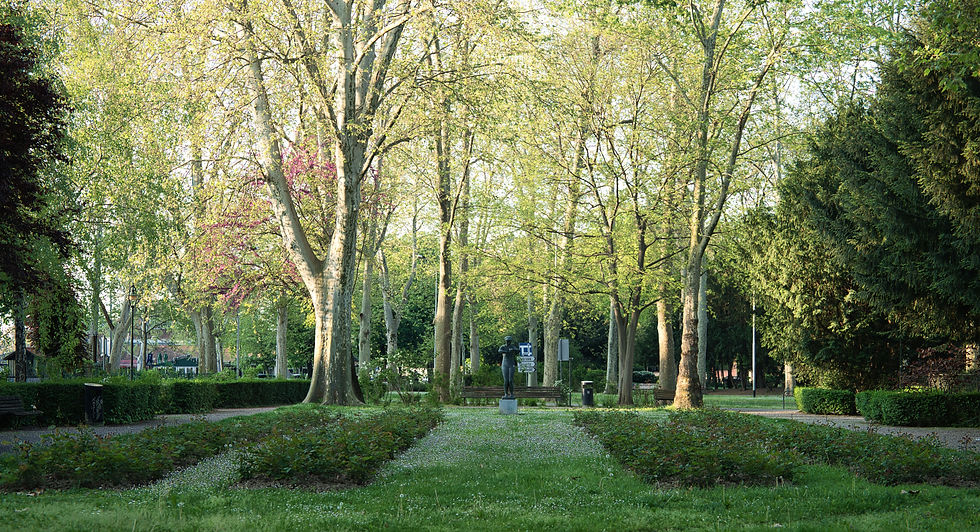
Giardini Margherita, Bologna’s largest park, is ideal for picnics, morning runs, or relaxing under the trees. It’s a peaceful escape from the city centre, offering wide green spaces, lakes, and shaded paths. San Luca, perched on a hill overlooking the city, is reached by a pilgrimage route that passes under the world’s longest portico. The walk is long but beautiful, offering a peaceful escape from the city centre and rewarding you with stunning views of Bologna and the surrounding countryside.
6. Experiences That Make Bologna Unforgettable
Walking the portico to San Luca is one of Bologna’s most iconic experiences. The 3.8 km route passes under 666 arches, leading to a stunning basilica with panoramic views. Climbing the Asinelli Tower is another must‑do, with its 498 steps rewarding you with a skyline that stretches endlessly. Food tours are essential for understanding Bologna’s soul, offering tastes of tortellini, tagliatelle al ragù, mortadella, and local wines. Exploring the canals reveals a hidden side of the city, especially the famous “Little Venice” window. For food enthusiasts, FICO Eataly World is a massive theme park dedicated to Italian gastronomy, showcasing everything from cheese production to pasta making.

7. Bologna for Slow
Bologna is perfect for travellers who enjoy slow travel. It’s a city meant to be savoured, not rushed. You can spend hours sipping espresso under a portico, reading in a piazza, wandering through markets, chatting with locals, or tasting regional wines. It’s Italy at its most authentic, offering a rhythm that encourages you to slow down and appreciate the details. Bologna invites you to live like a local, to embrace the city’s gentle pace, and to enjoy the simple pleasures that make travel meaningful.
8. Why Bologna Should Be Your Next Italian Destination?
Bologna is the kind of city that stays with you. It’s warm, welcoming, and full of depth. It offers world‑class food, rich history, vibrant culture, and a sense of authenticity that is increasingly rare in popular destinations. It’s a place where you can eat the best pasta of your life, walk through centuries of architecture, feel the energy of Europe’s oldest university, discover hidden corners untouched by tourism, and experience Italy like a local. Bologna doesn’t try to impress you. It simply does.
9. FAQ About Bologna
What is Bologna best known for?
Bologna is famous for its medieval porticoes, rich food culture, and Europe’s oldest university. Travelers love its mix of history, student energy, and incredible cuisine. If you want to expand on this, you can dive deeper into Bologna’s highlights.
How many days do you need in Bologna?
Two full days is ideal: one for the historic center and porticoes, one for food experiences and nearby viewpoints. Add a third day if you want to explore Modena, Ferrara, or Ravenna. You can explore Bologna itinerary ideas.
What’s the best area to stay in Bologna?
Most travelers stay inside the historic center, especially near Piazza Maggiore, Via Indipendenza, or Santo Stefano. These areas are walkable and close to restaurants and attractions. You can explore neighborhood breakdowns.
What’s the best time to visit Bologna?
Spring (April-June) and autumn (September-October) offer perfect weather and fewer crowds. July-August can be hot, and some locals leave the city in August. You can expand with seasonal guidance.
We have reached the end of Bologna: The Hidden Italian City Packed With Food, Culture & History. If you’re planning a visit to Italy, be sure to check out our previous blogs for more tips on where to eat, drink, and explore. You can continue discovering more hidden gems and captivating destinations, stay tuned for more articles on our website. Follow us on our social medias: @thewalkingparrot to be continuously updated on new releases and join us as we embark on new adventures. We will be back soon with a new article! If you're visiting Bologna, make sure to check the tours we are proposing!

Infinite Craft offers a relaxing and imaginative gameplay experience where every new combination can lead to an interesting discovery or completely unexpected result.