What to Eat in Warsaw: 15 Traditional Polish Foods You Must Try
Think Polish food is just pierogi? Warsaw is about to change your mind.
Polish cuisine is hearty, comforting, and deeply connected to everyday life. In Warsaw, you can find dishes that have been prepared in Polish homes for generations alongside modern restaurants giving traditional recipes a fresh twist. From steaming bowls of żurek and crispy potato pancakes to sweet pączki and Poland's famous dumplings, the city's food scene offers much more than one iconic dish.
Food is also one of the easiest ways to understand Warsaw. The city's history, changing neighborhoods, family traditions, and everyday culture all appear on the plate. A simple lunch at a milk bar can tell you something about Poland's past, while a plate of handmade pierogi can introduce you to traditions that are still very much alive today.
So, what should you actually eat in Warsaw?
In this guide, we will take you through 15 traditional Polish foods and drinks worth trying during your visit, explain what each dish is, and share local tips to help you order with confidence.
In this Warsaw food guide, you will discover:

What Food Is Warsaw Famous For?
Warsaw's food scene is closely connected to traditional Polish cuisine, but it is not limited to one style of cooking.
You will find familiar Polish classics such as pierogi, bigos, żurek, gołąbki, and kotlet schabowy, but you will also see street food, bakeries, milk bars, modern Polish restaurants, and contemporary versions of traditional recipes.
One of the best things about eating in Warsaw is that you do not need to visit an expensive restaurant to experience Polish food. Some of the most interesting meals can be found in simple neighbourhood restaurants and bar mleczny, or milk bars.
Our Warsaw guides often highlight this difference: eating Polish food is not only about knowing the names of the dishes. It is about understanding how and where locals eat them.
And that is why trying several dishes during your trip can give you a much better introduction to Warsaw than ordering the same familiar meal every day.
1. Pierogi – Poland's Most Famous Dumplings
Let's start with the obvious one.
Pierogi are probably the dish most travellers associate with Poland, and for good reason. These small dumplings are made from dough and filled with a huge variety of ingredients.
One of the most traditional choices is pierogi ruskie, usually filled with potato and twaróg, a type of Polish farmer's cheese. You can also find pierogi filled with meat, cabbage and mushrooms, spinach, seasonal fruit, or other ingredients.
They can be boiled and served with sour cream, butter, fried onions, or other toppings. Some restaurants also serve them fried.
Local tip: don't assume every pierogi filling is savoury. Sweet pierogi filled with fruit can make a surprisingly good dessert.
If you want to understand why pierogi are such an important part of Polish food culture, they are a perfect starting point.
In fact, pierogi are so central to The Walking Parrot's Warsaw Polish Food Tour that the company describes them as an essential part of the experience. The tour combines traditional Polish food with stories about the culture behind the dishes and takes guests to a selection of local restaurants and bars.

2. Żurek – The Sour Rye Soup You Should Try
Żurek is not your average soup.
Made with fermented rye flour, this traditional Polish soup has a distinctive sour flavour. It is often served with white sausage and a boiled egg, and you may find it presented inside a bread bowl.
That sour taste might sound unusual at first, but it is exactly what makes żurek memorable.
It is particularly associated with Easter traditions, although you can find it throughout the year. On a cold Warsaw day, a warm bowl of żurek is also the definition of Polish comfort food.
Local tip: if you have never tried fermented soups before, don't judge żurek by the description alone. Ask your server about the house version and give it a try.

3. Bigos – Poland's Hearty Hunter's Stew
Bigos is one of those dishes that feels made for cold weather.
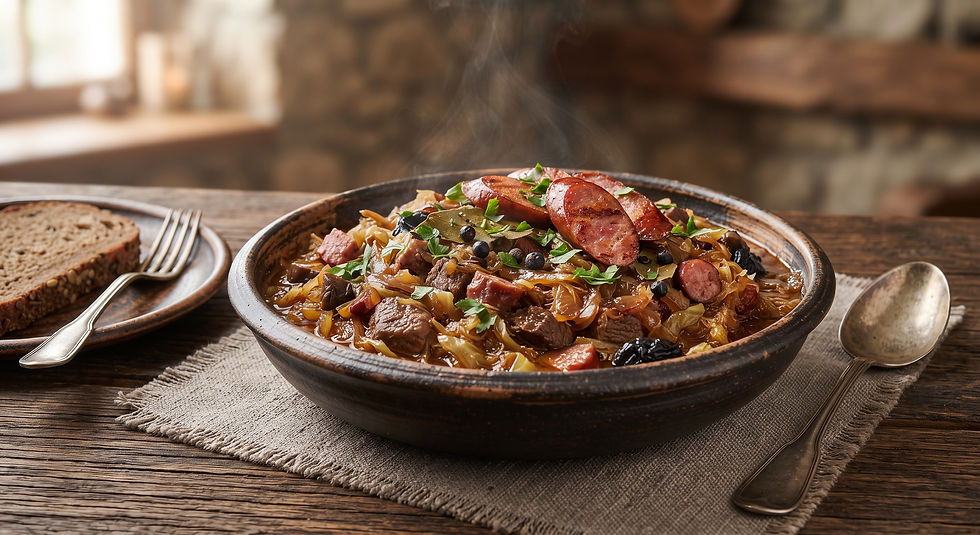
Often called hunter's stew, bigos combines sauerkraut, fresh cabbage and different types of meat. Recipes vary, and that is part of its charm. Polish families can have their own versions and opinions about what makes the perfect bigos.
The flavour is rich, slightly sour, smoky, and deeply comforting.
Bigos is also a great example of how Polish cuisine developed around practical, filling ingredients. Rather than relying on elaborate presentation, the dish is about slow cooking and layers of flavour.
If you visit Warsaw during the colder months, keep an eye out for bigos on traditional Polish menus.
4. Kotlet Schabowy – Poland's Crispy Pork Classic
If you like schnitzel, you will probably enjoy kotlet schabowy.
This traditional Polish dish consists of a breaded and fried pork cutlet, usually served with potatoes and a vegetable or cabbage side.
It is simple, filling, and very much part of everyday Polish cooking.
One of the best places to understand this kind of traditional meal is a bar mleczny, or milk bar. These inexpensive, canteen-style establishments have their roots in Poland's socialist period and remain part of Warsaw's food culture today.
Our Warsaw guides regularly point travellers toward these less formal places because they offer something different from the typical tourist restaurant experience.
You can find more ideas for eating locally in our guide to where to eat like a local in Warsaw.

5. Gołąbki – Polish Stuffed Cabbage Rolls
Gołąbki are cabbage leaves wrapped around a filling, traditionally made with minced meat and rice, then cooked with sauce.
The name literally relates to “little pigeons,” although thankfully there are no pigeons involved in the recipe.
Like bigos, gołąbki are strongly associated with home cooking. They are the kind of dish that can remind Polish travellers of family meals and traditional recipes.
For visitors, they are a great way to experience a side of Polish cuisine that is less internationally famous than pierogi but just as connected to Polish culinary traditions.

6. Placki Ziemniaczane – Crispy Polish Potato Pancakes
Potatoes are an important part of Polish cooking, and placki ziemniaczane show just how much can be done with them.
These crispy potato pancakes are made from grated potatoes and fried until golden. They can be served with sour cream, savoury toppings, or even sweet accompaniments.
The contrast between the crispy outside and soft centre is what makes them so satisfying.
They also work well as a casual meal or snack, making them a good choice when you want something traditional without ordering a huge dinner.

7. Barszcz – Poland's Beetroot Soup
Barszcz is a vibrant beetroot soup with a beautiful deep-red colour and a distinctive earthy flavour.
It is one of the best-known Polish soups and can be served in different ways. One popular version is clear barszcz, which may be served with small dumplings called uszka.
Barszcz is especially important during Christmas Eve celebrations in Poland, when it is traditionally served with uszka filled with mushrooms.
For travellers, it is an easy dish to try if you want something lighter than the meat-heavy dishes often associated with Polish cuisine.
Local tip: Polish soups are not just starters. Depending on the dish and portion, soup can be a substantial part of a traditional meal.
8. Kiełbasa – Polish Sausage
You cannot talk about Polish food without mentioning kiełbasa.
The word is commonly used for Polish sausage, but there are many varieties with different flavours, textures, and preparation methods.
You might encounter smoked sausage, grilled sausage, or sausage served alongside traditional dishes.
Kiełbasa is particularly good for travellers who want to experience Polish food in a casual way. Look for it at markets, food stalls, traditional restaurants, or casual eateries.
And if you enjoy exploring food with a drink, Polish sausage also works naturally alongside beer or vodka.

9. Zapiekanka – Warsaw's Casual Street-Food Favourite
Ready for something less formal?
Try zapiekanka.
This open-faced toasted baguette is usually topped with ingredients such as mushrooms and cheese before being baked. Additional toppings and sauces can vary depending on where you buy it.
Zapiekanka became associated with Poland's street-food culture during the second half of the 20th century and remains a popular casual bite.
It is perfect when you are exploring the city and want something quick rather than sitting down for a full meal.
Our recent Warsaw guides also highlight casual food experiences such as zapiekanka and local bakeries as an easy way for visitors to experience the city beyond traditional restaurants.

10. Pączki – The Polish Doughnut You Need to Try
Now for dessert.
Pączki are Polish filled doughnuts, traditionally made from rich, soft dough and filled with ingredients such as rose petal jam, plum jam, custard, or other sweet fillings.
They are particularly famous during Tłusty Czwartek, or Fat Thursday, when bakeries across Poland sell huge numbers of them.
But you don't have to visit Poland during Fat Thursday to try one.
A fresh pączek from a good bakery makes an excellent breakfast, afternoon snack, or post-lunch treat.
Local tip: if you see a bakery with locals lining up for pączki, that is usually a good sign. Follow the queue.

11. Sernik – Polish Cheesecake
Sernik is Poland's answer to cheesecake.
It is traditionally made using twaróg, the same type of fresh cheese that appears in many Polish dishes.
Compared with some American-style cheesecakes, Polish sernik can have a denser, more textured consistency and a distinct dairy flavour.
You will find different variations, including versions with raisins, chocolate, fruit, or other toppings.
It is an easy dessert to order if you want something traditional without choosing something overly sweet.
12. Szarlotka – Polish Apple Cake
If you are an apple-dessert person, don't skip szarlotka.
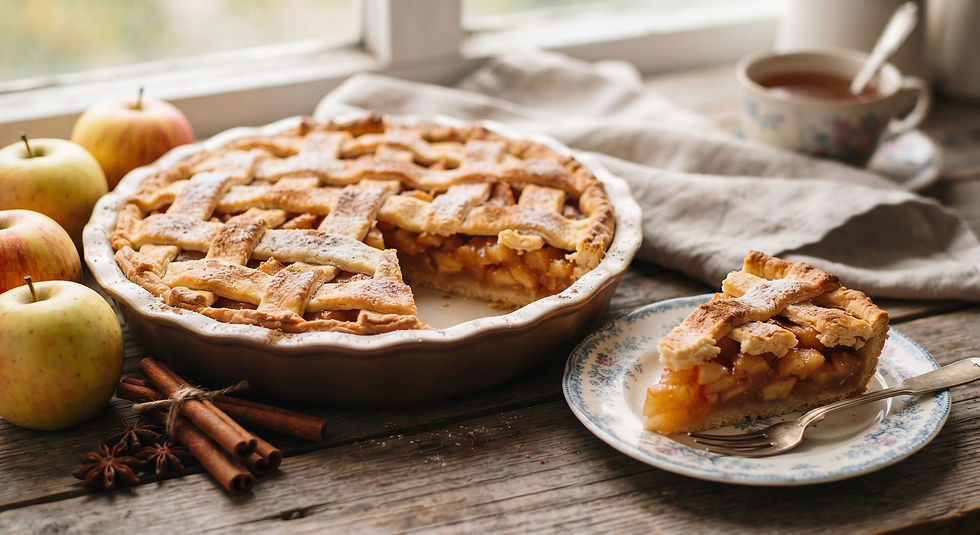
This traditional Polish apple cake or apple pie combines apples with a pastry or crumbly topping and is often served as a comforting dessert.
It is especially enjoyable with coffee or tea.
Like many Polish desserts, szarlotka is connected to home baking and family recipes, making it another example of how Polish food is about more than restaurant menus.
13. Naleśniki – Polish Crepes
Naleśniki are thin Polish crepes that can be served with either sweet or savoury fillings.
You might find them filled with cheese, jam, fruit, mushrooms, meat, or other ingredients.
They are especially useful for travellers who want something lighter or more familiar while still trying a traditional Polish dish.
And because the fillings vary so much, naleśniki can appear at breakfast, lunch, dinner, or dessert.
14. Makowiec – Poppy Seed Cake
Makowiec is a traditional Polish poppy seed cake or roll, particularly associated with Christmas and Easter celebrations.
It combines a sweet pastry with a dense poppy seed filling and may also include nuts, dried fruit, or other ingredients.
The flavour is distinctive, slightly nutty, and less sugary than many modern desserts.
You are more likely to encounter makowiec in bakeries and cafés than on every restaurant dessert menu, so keep an eye out while exploring Warsaw.
It is also a good reminder that Polish food traditions extend far beyond restaurant classics.

15. Polish Vodka – More Than Just a Drink
Food is only half of the Polish culinary experience.
Poland has a long relationship with vodka, and in Polish culture it is often associated with food, celebrations, hospitality, and social occasions.
Rather than simply ordering a shot and moving on, visitors can learn about the different styles, flavours, production methods, and traditions surrounding Polish vodka.
The Walking Parrot's Polish Vodka Tour in Warsaw is designed around exactly this idea. The experience visits three different bars, introduces guests to different types of vodka, and explores the history and cultural role of the drink.
Local tip: vodka is traditionally accompanied by food rather than treated simply as a standalone drink. Small savoury foods and snacks can play an important role in the experience.

Frequently Asked Questions About Food in Warsaw
What food is Warsaw famous for?
Warsaw is known for traditional Polish dishes such as pierogi, żurek, bigos, kotlet schabowy, gołąbki, placki ziemniaczane, and pączki. The city also has a strong casual food culture, including milk bars and street food.
What should I eat first in Warsaw?
Start with pierogi, then try a traditional soup such as żurek or barszcz. For a main course, kotlet schabowy or bigos are good choices. Finish with a pączek or slice of sernik.
Is Polish food vegetarian-friendly?
Yes, although traditional Polish cuisine includes a lot of meat. Pierogi, potato pancakes, soups, naleśniki, and some other dishes can be vegetarian, but recipes vary. If you have dietary requirements, ask the restaurant before ordering.
What is a milk bar in Warsaw?
A milk bar, or bar mleczny, is a simple Polish cafeteria-style restaurant with roots in the socialist era. They are known for affordable, traditional Polish food and remain popular with locals.
Is a food tour worth doing in Warsaw?
If you are visiting Warsaw for the first time, a food tour can be a useful way to sample many dishes while learning about Polish food culture. The Walking Parrot's Polish Food Tour combines food tastings with local stories and Warsaw sightseeing, making it a practical introduction to the city's cuisine.
Final Thoughts: Taste Warsaw, Not Just See It
Warsaw is a city with layers.
You can see its history in the rebuilt Old Town, feel its modern energy in the city centre, and discover its local character in neighbourhood cafés, milk bars, bakeries, markets, and family-style restaurants.
But some of Warsaw's best stories are found on a plate.
Try the pierogi. Order the żurek. Share some bigos. Find a crispy zapiekanka. Follow the locals into a bakery for a fresh pączek. And if you are curious about Poland's famous spirit, learn how vodka fits into the country's food and social traditions.
Because when you eat your way through Warsaw, you are not simply trying new dishes.
You are tasting a part of Poland's history, traditions, and everyday life.
And if you want someone local to show you where to begin, join The Walking Parrot's Warsaw food experiences and discover the city one bite at a time. We've reached the end of the article, The city is amazing with its food culture, and we believe you'll enjoy. Meanwhile you can explore other blogs on our website, how about "Where to Eat Like a Local in Warsaw" Don't forget to follow us @Thewalkingparrot to get the latest updates.


Me parece útil contar con un calendario de sorteos actualizado, especialmente para quienes siguen varios eventos. Una presentación ordenada facilita encontrar rápidamente las fechas próximas y evita confundir los horarios de diferentes sorteos.