Discover Belgrade: 10 Must-See Attractions
Belgrade, the capital of Serbia, is one of Europe's most underrated destinations. This vibrant city sits at the confluence of the Danube and Sava rivers, and it's packed with history, culture, and unforgettable experiences. Whether you're wandering through ancient fortresses, exploring world-class museums, or sampling traditional Serbian cuisine, Belgrade offers something for every traveler.
The city has a unique character that blends Ottoman heritage, Austro-Hungarian architecture, and modern European flair. From the bustling streets of Knez Mihailova to the peaceful riverside walks along the Danube, Belgrade rewards travelers with authentic experiences.

In this guide, you'll discover the 10 must-see attractions in Belgrade that should be on every visitor's itinerary. Whether you're planning a weekend getaway or a longer stay, these iconic sites and experiences will give you a true taste of what makes Belgrade special.
Table of Contents
1. Kalemegdan Fortress: Belgrade's Most Iconic Monument
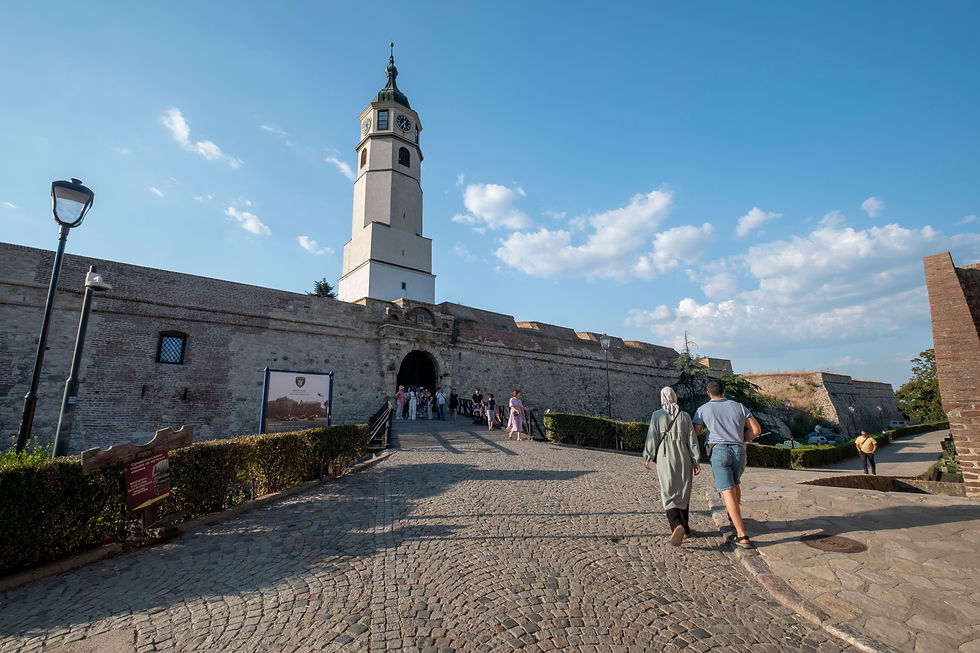
Kalemegdan Fortress is Belgrade's most recognizable landmark and a must-visit for any first-time traveler. Perched on a hill overlooking the confluence of the Danube and Sava rivers, this ancient fortress dates back to the 3rd century and has been rebuilt countless times throughout its long history.
The fortress offers breathtaking panoramic views of the city and the two rivers below. From the observation points, you can see the entire Belgrade skyline, especially beautiful during sunset. The grounds are free to explore, and you can wander through the various ramparts, towers, and gates at your own pace.
Inside the fortress complex, you'll find several museums, including the Military Museum with its extensive collection of weapons and military artifacts, and the Museum of Yugoslavia. The fortress also hosts cultural events, concerts, and exhibitions throughout the year, making it a living hub of Belgrade's cultural life.
2. Skadarlija: The Romantic Old Town
Skadarlija is Belgrade's most charming neighborhood and the city's old town district. This bohemian area features narrow, winding cobblestone streets lined with ivy-covered buildings, art galleries, and traditional restaurants called "kafanas."
The neighborhood comes alive in the evening when street musicians perform. This is the place to experience authentic Serbian hospitality and traditional folk music. The atmosphere is romantic and nostalgic, transporting you back to Belgrade's artistic past.
Many famous Serbian artists, musicians, and poets lived in Skadarlija, and the neighborhood celebrates this heritage with galleries and small museums dedicated to notable figures. You'll find colorful murals, antique shops, and hidden courtyards perfect for photography. The neighborhood's main street, Skadarska, is closed to traffic in the evenings, creating a perfect pedestrian zone for exploring.
3. Knez Mihailova Street: Culture and Shopping

Knez Mihailova is Belgrade's main shopping street and one of Europe's longest pedestrian zones. Stretching from Kalemegdan Fortress down to Republic Square, this street is lined with shops, cafes, galleries, and architectural landmarks.
Walking down Knez Mihailova, you'll pass historic buildings from the 19th and early 20th centuries, many of which house boutiques, international brands, and local shops. The street serves as the cultural heart of Belgrade, with several galleries and cultural institutions located along its length.
The atmosphere changes as you descend from Kalemegdan toward the lower part of the street, becoming increasingly modern and commercially oriented. However, the entire street retains a certain charm with its tree-lined sidewalks and vibrant street life. Street musicians perform regularly, adding to the lively atmosphere.
4. St. Sava Church: Spiritual Masterpiece
St. Sava Church is one of the largest Orthodox churches in the world and one of Belgrade's most spiritually significant sites. This stunning Byzantine-style church sits in the Vračar neighborhood and is visible from many points across the city thanks to its massive dome.
The church was built to honor Saint Sava, the founder of the Serbian Orthodox Church, and construction took decades to complete. The interior is equally impressive, featuring intricate mosaics, ornate decorations, and a spiritual atmosphere that affects even non-religious visitors.
5. Splavovi: Unique Floating River Clubs
One of Belgrade's most unique experiences is visiting a splav: a floating restaurant, bar, or nightclub on the Danube or Sava rivers. These distinctive venues are moored along the riverbanks and offer dining, drinking, and entertainment with river views.
Splavovi range from casual daytime cafes to upscale restaurants to vibrant nightclubs. They're perfect for experiencing Belgrade's modern social scene and meeting locals. Many locals spend their weekends on splavovi, making these venues an authentic part of contemporary Belgrade culture.
Each splav has its own character, music, and atmosphere. Some serve traditional Serbian food, others are modern fusion restaurants, and some are purely nightlife destinations. The atmosphere is generally relaxed and fun, with a mix of tourists and locals.
6. Traditional Markets and Local Food Culture
To understand Belgrade, you need to experience its markets and food culture. Zeleni Venac is the main open-air market in the city center, where locals shop for fresh produce, cheese, meat, and flowers. The market is most vibrant in the early morning hours.
Walking through the market gives you an authentic glimpse of daily Belgrade life. Vendors sell seasonal produce, and the air fills with the sounds and smells of the city's food culture. It's a great place to pick up fresh ingredients, sample local cheeses, or buy fresh fruit juice from street vendors.
Beyond Zeleni Venac, Belgrade has several other markets worth exploring, including Kalenić Market in the Palilula neighborhood, which is particularly known for its meat and dairy products. These markets are where locals shop daily, making them perfect for experiencing authentic Belgrade.
Recommendation
Visit markets early in the morning for the best selection and atmosphere. Many vendors speak English and are happy to explain their products.

7. Danube River Experiences
The Danube River is integral to Belgrade's identity and offers several ways to experience the city from a different perspective. River boat tours are available throughout the day and evening, offering scenic views of Belgrade's waterfront, including Kalemegdan Fortress, New Belgrade's modern architecture, and the confluence with the Sava River.
Sunset cruises are particularly popular, as the golden hour light is stunning over the water. Some tours include dinner or drinks, turning a simple sightseeing trip into a memorable experience. For a more active experience, you can rent kayaks or paddleboards to explore the river yourself.
The Danube's riverbanks have been developed with walking and cycling paths, perfect for a leisurely stroll or bike ride. The area near the confluence of the two rivers is particularly scenic and peaceful.
8. Museums and Cultural Institutions
Belgrade has an impressive array of museums covering everything from contemporary art to military history. The Nikola Tesla Museum is fascinating for those interested in the famous inventor's life and work, housed in his former residence. The museum includes fascinating exhibits on his inventions and contributions to science.
The Museum of Contemporary Art features works by Serbian and international artists, while the National Museum houses historical artifacts and artworks from ancient Roman times through the modern era. The Etnographic Museum offers insights into traditional Serbian culture, crafts, and way of life.
Many museums host special exhibitions, lectures, and cultural events. The museum scene in Belgrade is dynamic and constantly evolving, with galleries and smaller museums popping up regularly in neighborhoods like Dorćol and Beton Hala.
9. Dorćol and Beton Hala: Modern and Alternative Belgrade
Dorćol is an older neighborhood that has undergone significant gentrification in recent years, becoming a hub for artists, designers, and creative businesses. The neighborhood features vintage shops, contemporary galleries, craft breweries, and trendy restaurants. Walking through Dorćol gives you a sense of how Belgrade is evolving while maintaining its character.
Beton Hala is a repurposed warehouse in New Belgrade that has become a center for contemporary art, music, and cultural events. The space hosts exhibitions, concerts, film screenings, and festivals throughout the year. It's a great place to see cutting-edge Serbian art and culture.
These areas represent Belgrade's creative side and the city's ability to repurpose old spaces for modern culture. They're perfect for visitors interested in contemporary art, urban culture, and the local creative scene.
10. Zemun Day Trip
While technically outside Belgrade (it's in Zemun, which is in Voždovac municipality on the other bank of the Danube), Zemun is an easy and worthwhile day trip from central Belgrade. This Austro-Hungarian gem features charming cobblestone streets, colorful buildings, and a completely different architectural and cultural flavor than Belgrade proper.
Zemun's main attraction is Gardoš Tower, which offers panoramic views of the Danube, Belgrade, and the surrounding area. The tower is a 45-minute walk from the city center, or you can take public transport. The climb to the top is challenging but rewarding.
The Danube waterfront in Zemun is perfect for strolling, and there are numerous restaurants and cafes with river views. The neighborhood's mix of Serbian, Hungarian, and Austrian influences is evident in the architecture, food, and atmosphere. It's the perfect place to spend an afternoon experiencing Belgrade's diverse cultural heritage.
Getting There
Take a tram (like tram 2) or walk across the Danube bridges. Zemun is only 15–20 minutes from central Belgrade by public transport.
Insider Tips for Experiencing Belgrade Like a Local

Cafe Culture
Spending time at a traditional kafana (cafe) is essential to understanding Belgrade. Locals spend hours here drinking coffee, playing chess, or watching the world go by. The pace of life is slower, and hospitality is genuine.
Street Food
Don't miss trying pljeskavica (Serbian burger), burek (meat pie), and other street foods sold by vendors throughout the city. These offer authentic flavors at cheap prices and are beloved by locals.
Timing Your Visits
Museums and attractions are less crowded on weekday mornings. Popular sites like Kalemegdan get very crowded on weekend afternoons. Summer heat can be intense, so spring and fall offer more comfortable visiting conditions.
Getting Around
Belgrade's public transport system (trams, buses, and a small metro) is affordable and reliable. Buy a day pass if you're doing lots of sightseeing. The city is also very walkable, and wandering the streets is one of the best ways to discover hidden gems.
Language
While many locals speak English, learning a few basic Serbian phrases is appreciated. "Hvala" (thank you) and "Prosim" (please) go a long way in local interactions.
FAQ: Common Questions About Belgrade Tourism
What is the best time to visit Belgrade?
Spring (April–May) and fall (September–October) offer the most pleasant weather and fewer crowds than summer. Summer can be very hot (30°C+), and many locals leave the city for holidays. Winter is cold but offers a different atmosphere and lower prices.
How many days should I spend in Belgrade?
Three to four days gives you time to see the main attractions, explore neighborhoods, and experience the local culture. A week allows for deeper exploration, day trips, and a more relaxed pace.
Is Belgrade safe for tourists?
Yes, Belgrade is generally safe for tourists. Like any major city, use common sense with valuables and be aware of your surroundings, especially at night. Most tourists have safe, enjoyable visits.
What is the best way to get around Belgrade?
The public transport system is efficient and affordable. Trams and buses cover most areas. Walking is also feasible for city center neighborhoods. Taxis are readily available and reasonably priced. Consider buying a day or multi-day public transport pass for convenience.
What should I eat in Belgrade?
Must-try dishes include pljeskavica (Serbian burger), ćevapi (grilled meat), burek (pastry with meat or cheese), sarma (cabbage rolls), and fresh fish from the Danube. The local craft beer scene is also booming, with many excellent microbreweries.

Conclusion
Belgrade is one of those cities where history, culture, and everyday life come together in a way that feels both authentic and unexpected. From centuries-old fortresses and lively neighborhoods to riverside cafés and a thriving food scene, it's a destination that leaves a lasting impression long after you've gone home.
It is not a city that tries to fit the typical European postcard. Instead, Belgrade embraces its own character, shaped by resilience, creativity, and a welcoming spirit. The more time you spend exploring beyond the main sights, the more you'll discover what makes Serbia's capital so memorable.
If Belgrade is on your itinerary and you'd like to experience its history, food, and culture with a local guide, take a look at what we're doing on our Belgrade page. Follow us on Instagram @thewalkingparrot for more travel guides, hidden gems, and inspiration from across Europe.
Ready to Experience Belgrade?
Our tours combine sightseeing with authentic cultural experiences and local insights. From history walks to food tours to river experiences, we help you discover Belgrade like a local. Book your Belgrade experience today.


Comments